Dental Bonding in Manhattan

What Is No-Prep Composite Bonding?

Composite bonding is a cosmetic procedure in which a tooth-coloured resin material is applied directly to the surface of the tooth, sculpted by hand, and hardened with a curing light. No-prep bonding means the tooth is not altered or drilled beforehand — the composite is added directly to the existing enamel surface. The result is a tooth that has been reshaped, lengthened, or repaired — using a material that bonds chemically to the tooth, requires no laboratory fabrication, and can be completed in a single appointment. Unlike porcelain veneers, composite bonding is fully additive. Nothing is taken away from the tooth. If the result ever needs to be revised, refreshed, or removed, the procedure can be reversed because the original enamel is untouched.

What Can Composite Bonding Fix?

No-prep composite bonding is most effective for cosmetic concerns that are localised, relatively minor, and
do not require significant structural change:

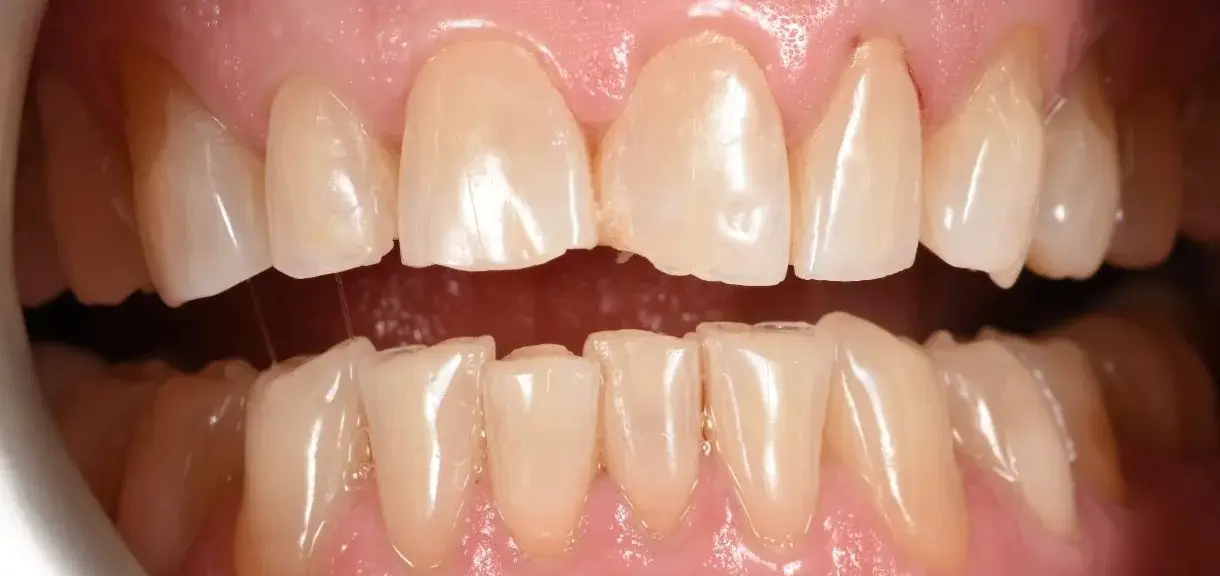
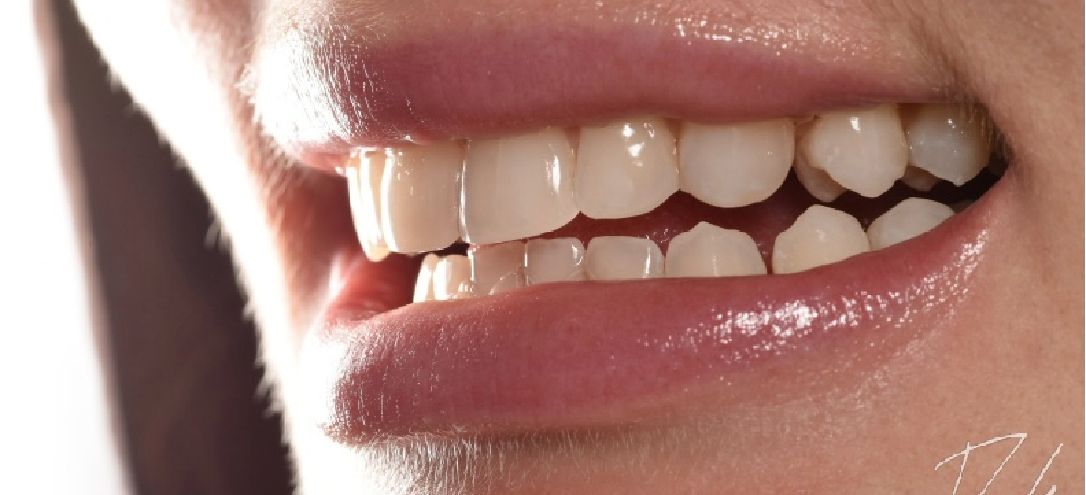
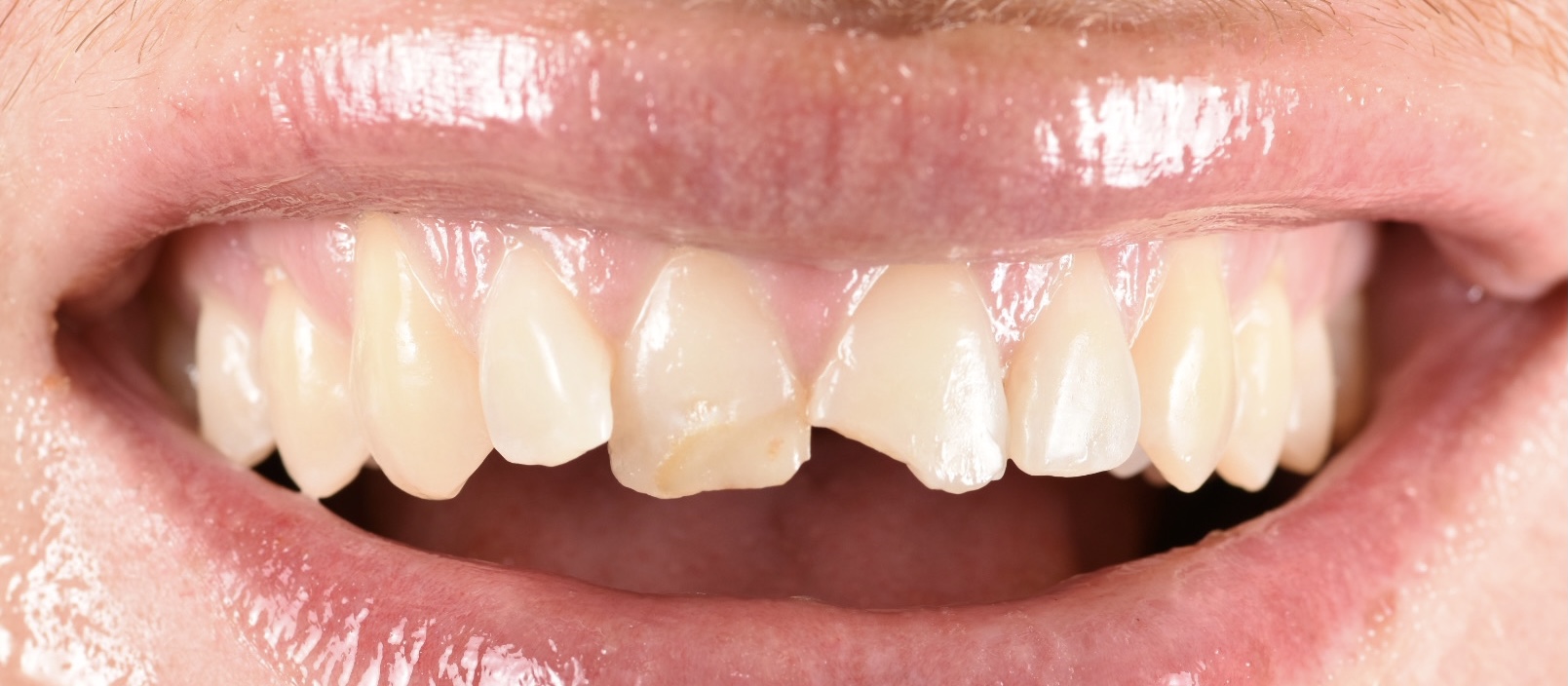
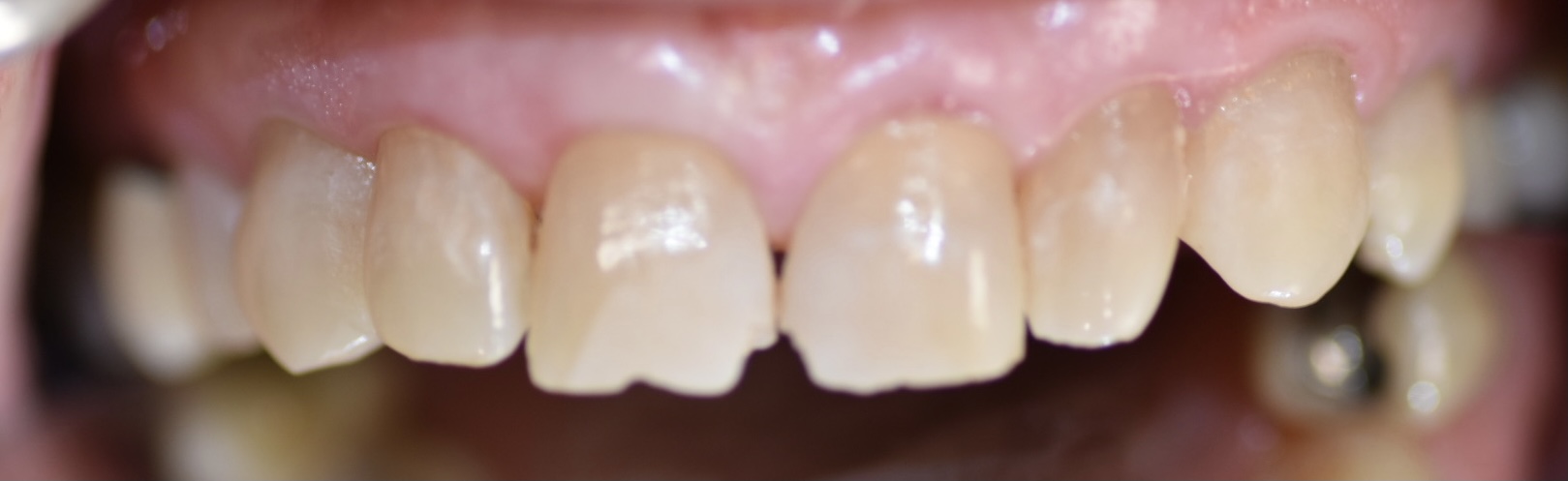
  • Chipped or fractured teeth — restoring a broken edge to its
    original shape
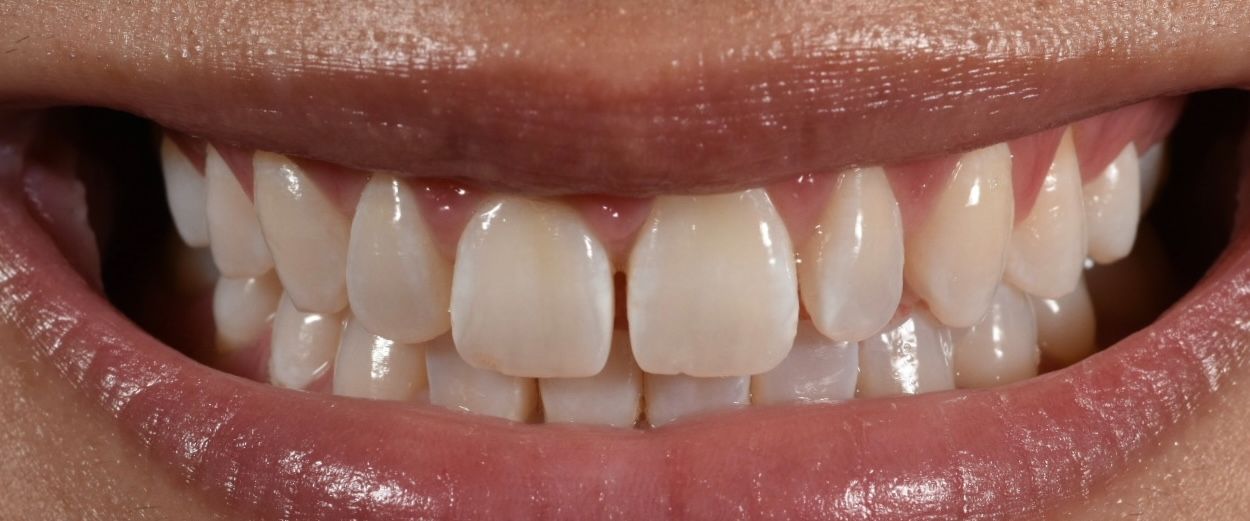
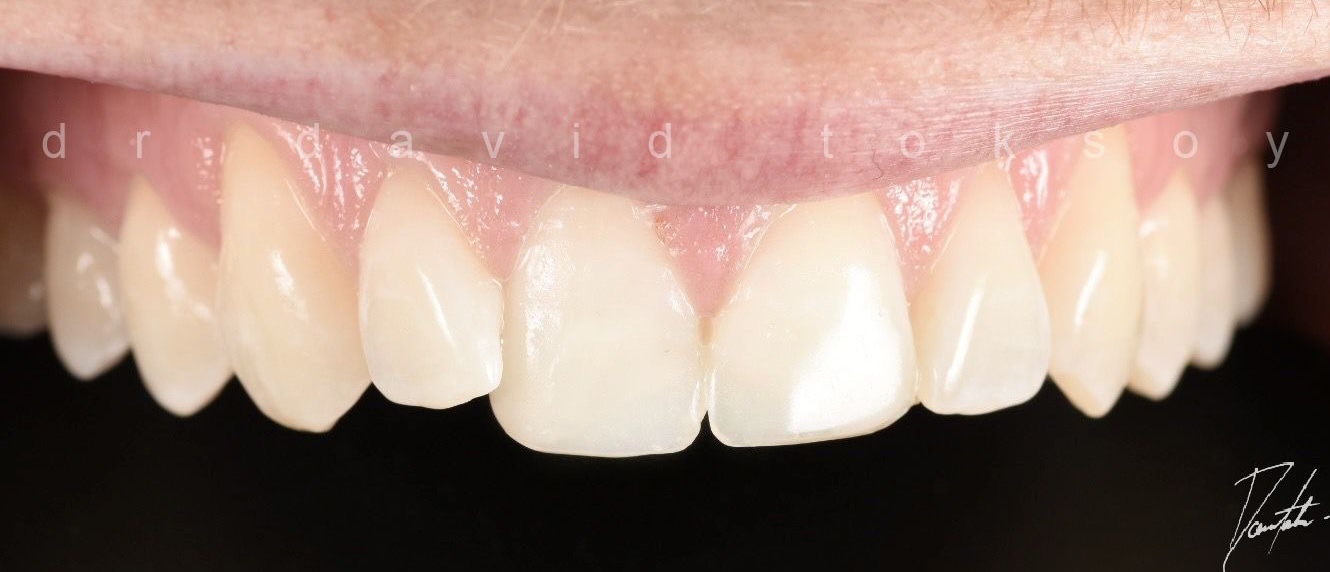
  • Small gaps between teeth — closing mild spacing without orthodontics
  • Short or worn teeth — adding length to teeth worn by grinding or erosion
  • Minor asymmetries — evening out small differences in tooth width or shape
  • Surface discolouration — masking intrinsic staining that whitening cannot reach
  • Rough or pitted enamel — smoothing surfaces that catch light poorly Bonding is not suited to cases requiring significant alignment correction, large structural rebuilds, or where a more durable material is clinically indicated.


If bonding is not the right solution for your concern, Dr. Toksoy will say so and explain what option would work better.

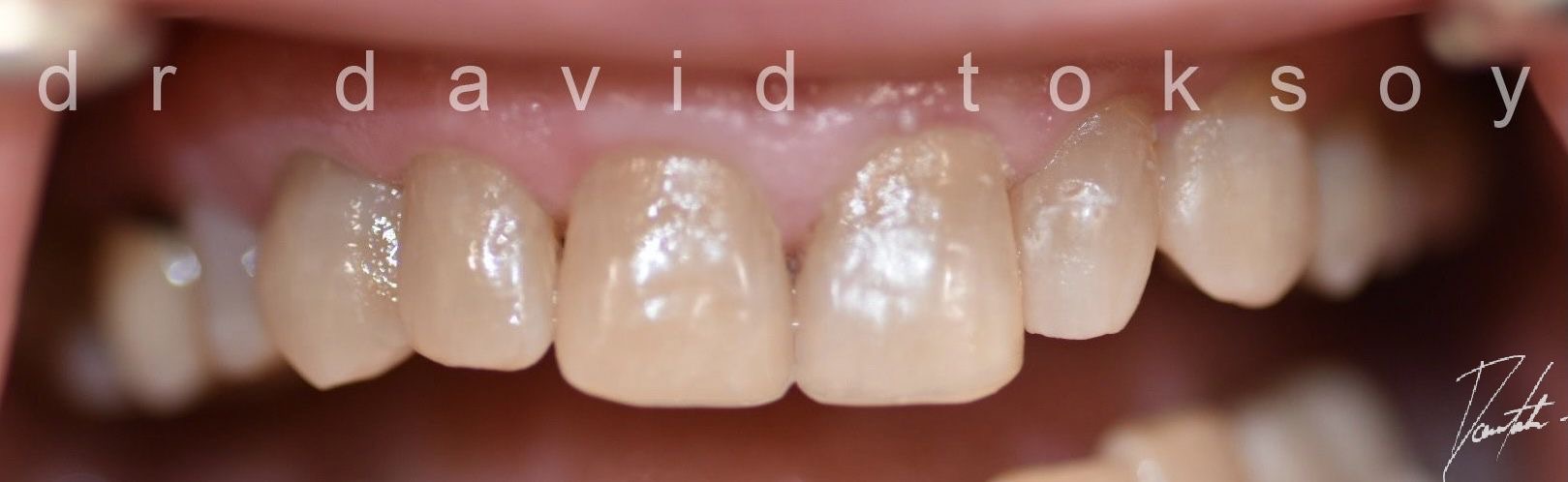
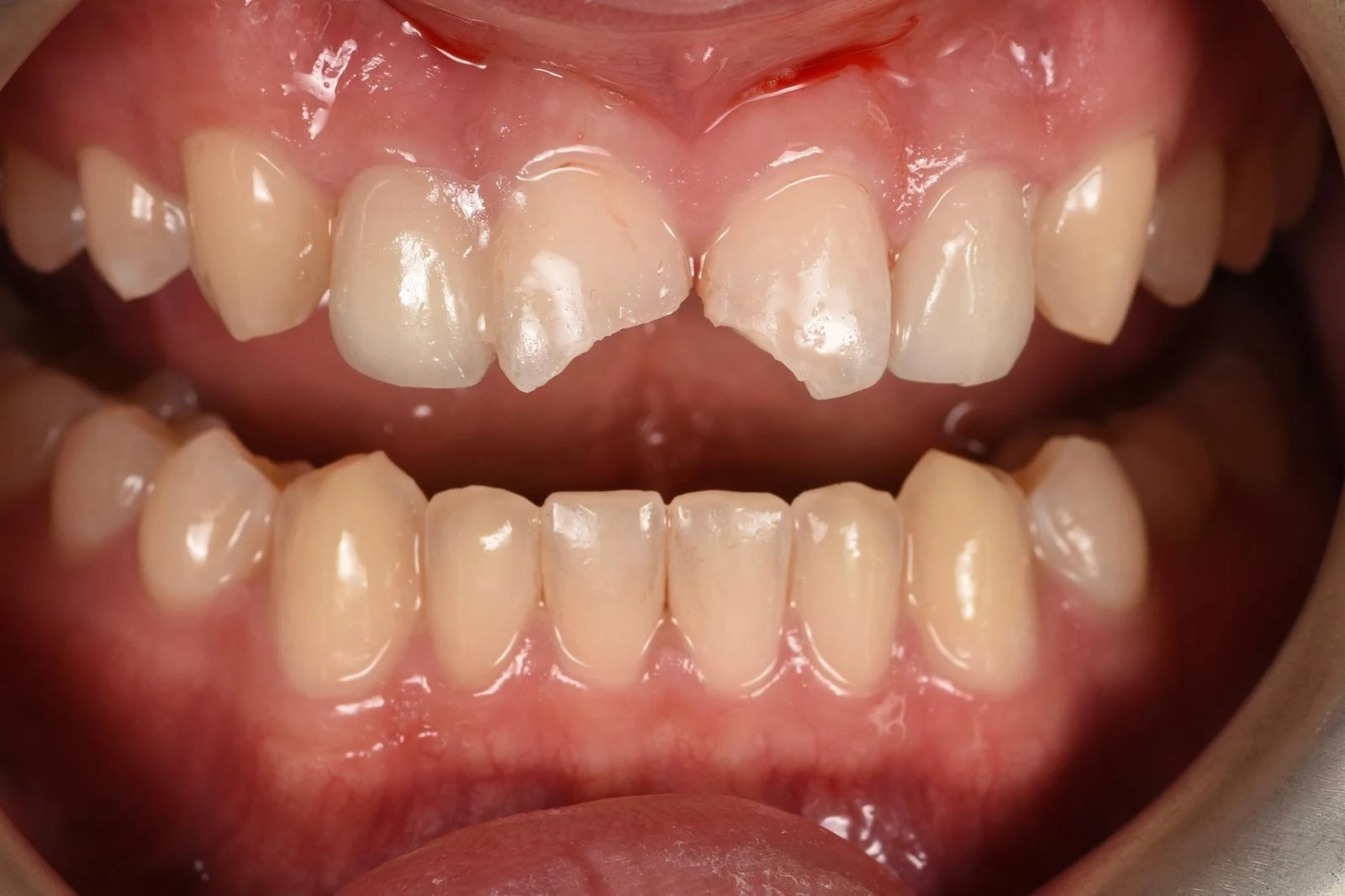
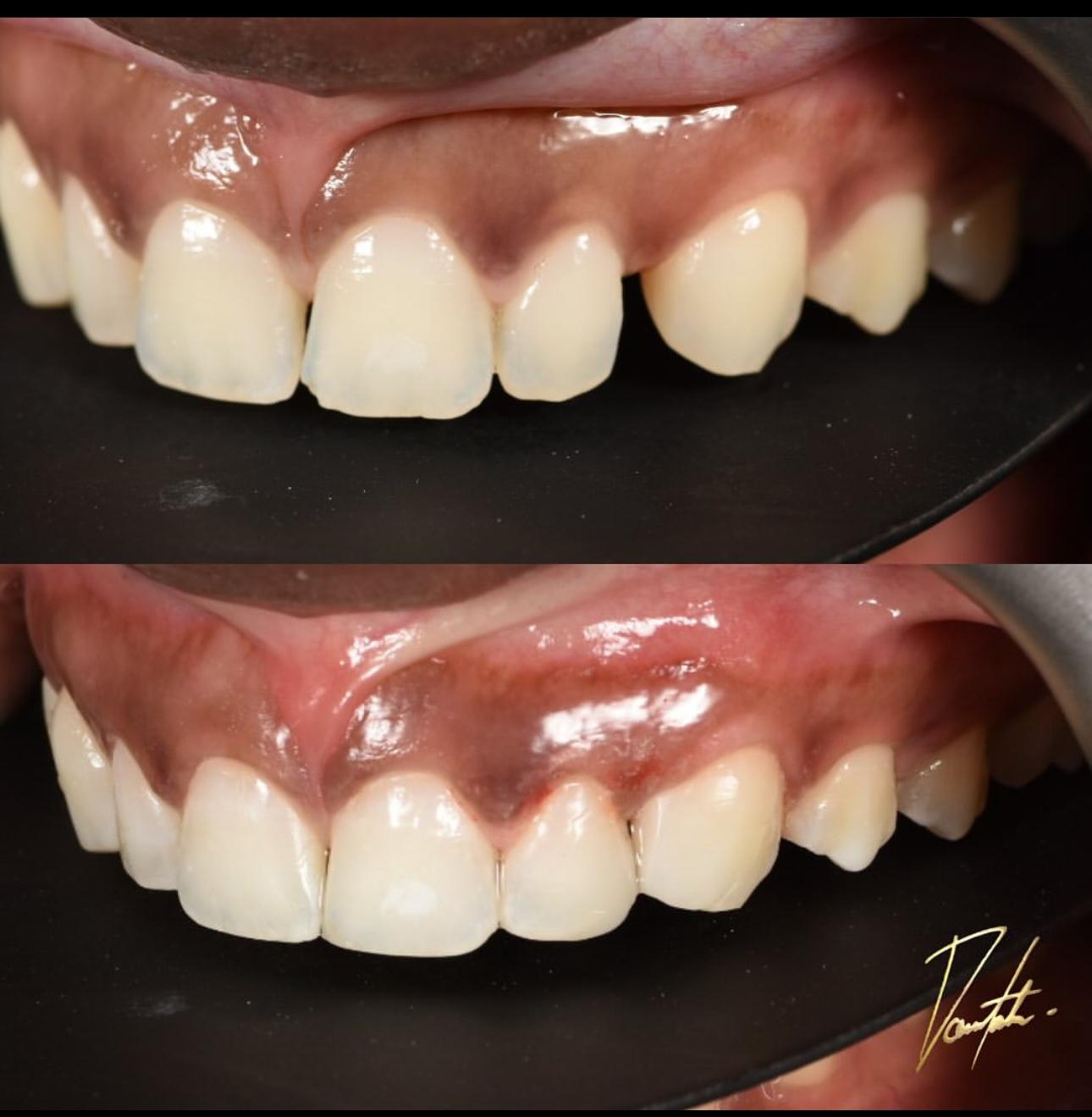
Fix chipped teeth | No prep or Minimally Prep Veneers 

Is No-Prep Bonding Right for You?

The ideal bonding candidate has healthy teeth and gums, a stable bite, and cosmetic concerns that are
confined to shape, minor colour, or small gaps. Specifically:

  • Healthy enamel with no active decay or
    untreated gum disease
  • No significant bite problems or active grinding — or a managed nightguard in
    place
  • Cosmetic goals achievable through addition rather than reconstruction
  • Realistic expectations
    about longevity compared to porcelain alternatives


When another option may be better:

  • Significant
    crowding or misalignment — Invisalign addresses position; bonding does not
  • Extensive discolouration
    across multiple teeth — whitening is evaluated first
  • Large surface areas needing coverage —
    minimal-prep porcelain veneers may be more appropriate
  • Heavy bruxism without occlusal management
    — grinding will fracture composite quickly The consultation at Studio Dental NY evaluates your bite, enamel condition, and cosmetic goals before any recommendation is made.

The Studio Dental NY Approach to Composite Bonding

Composite bonding is a freehand procedure. The quality of the result depends entirely on the skill, eye, and patience of the clinician applying it — not on a laboratory process. At Studio Dental NY, the bonding process begins with shade matching — selecting the composite shade under natural and artificial light to ensure the result integrates seamlessly with surrounding teeth. The material is then applied in layers, each shaped and contoured by hand before curing. Surface texture — the fine detail that makes a tooth look like a tooth — is refined during polishing. Bite evaluation is part of every bonding case. New composite material that sits even slightly high in the bite will cause discomfort and will wear unevenly or fracture prematurely. Getting the occlusion right at the bonding appointment is not optional — it is foundational. Bonding is also Dr. Toksoy’s first recommendation when it can achieve what veneers would achieve. The practice philosophy is to do as little as is clinically necessary. Bonding preserves the tooth entirely. That is worth recommending.

• Freehand sculpting — shape, texture, and contour refined by hand per tooth
• Bite evaluation included — occlusion checked and adjusted before you leave
• Bonding recommended first — not upsold to veneers when bonding will do the job

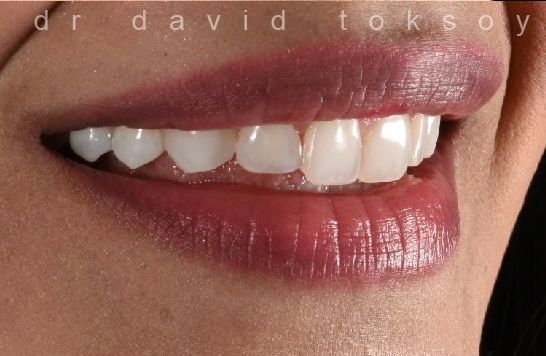
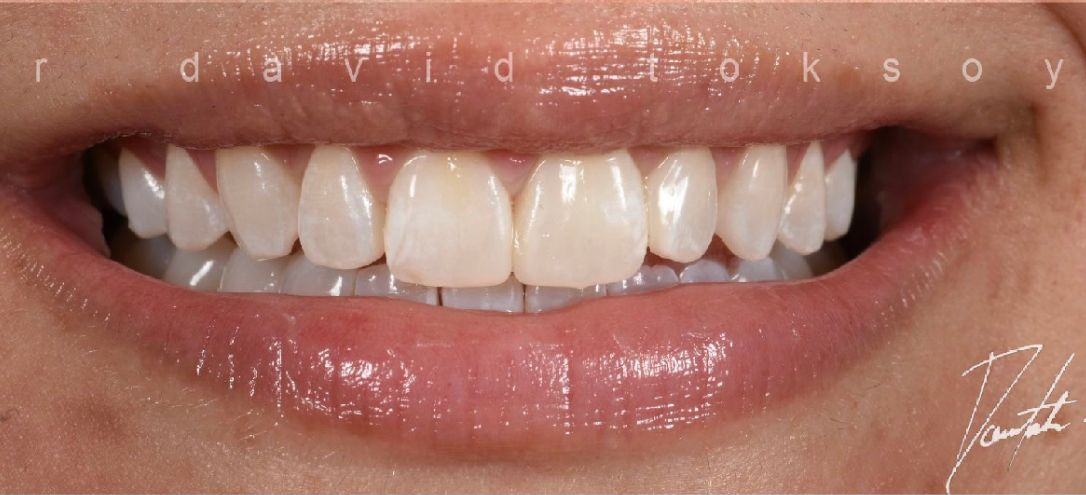
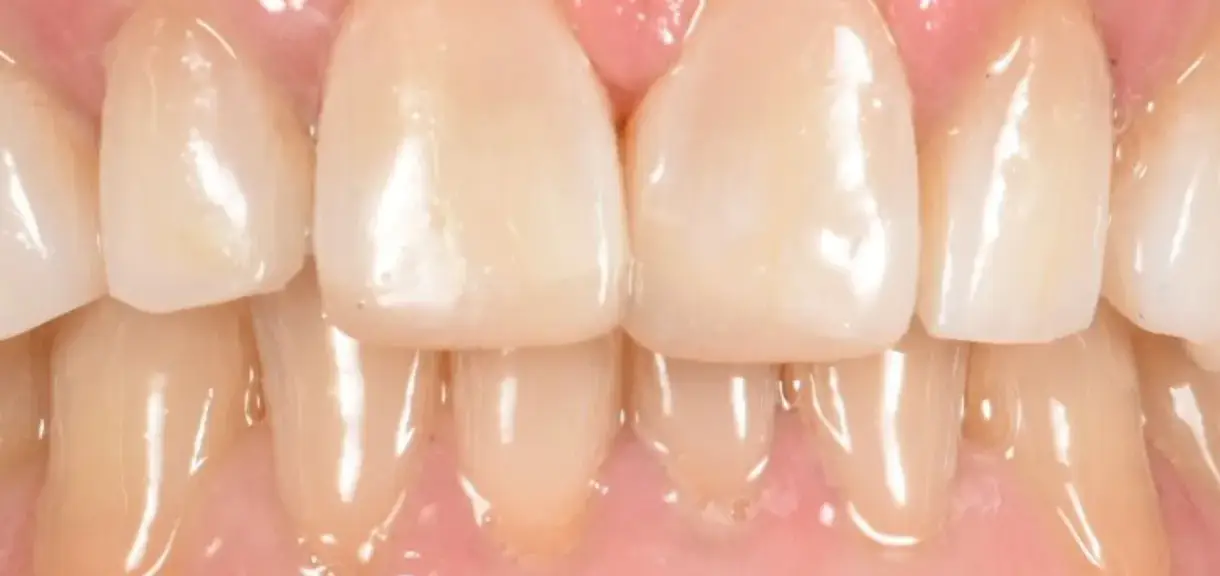
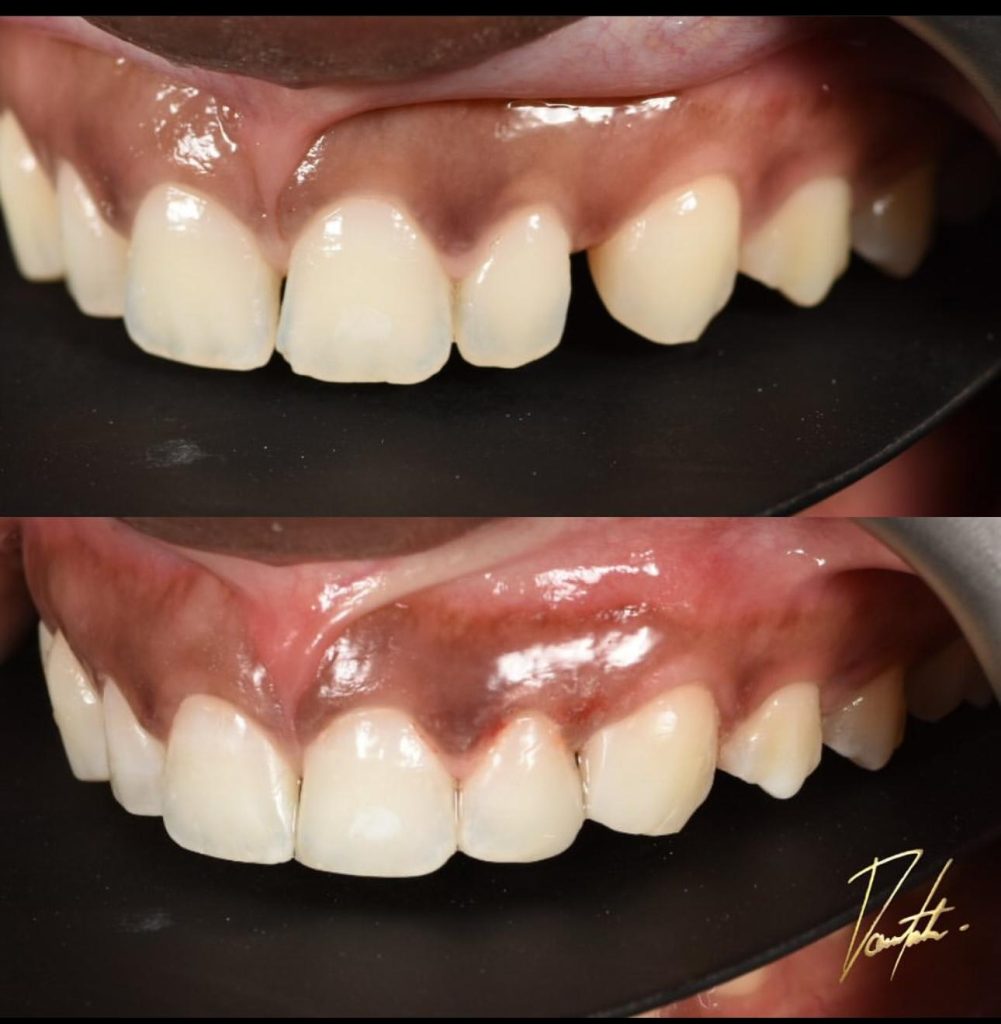
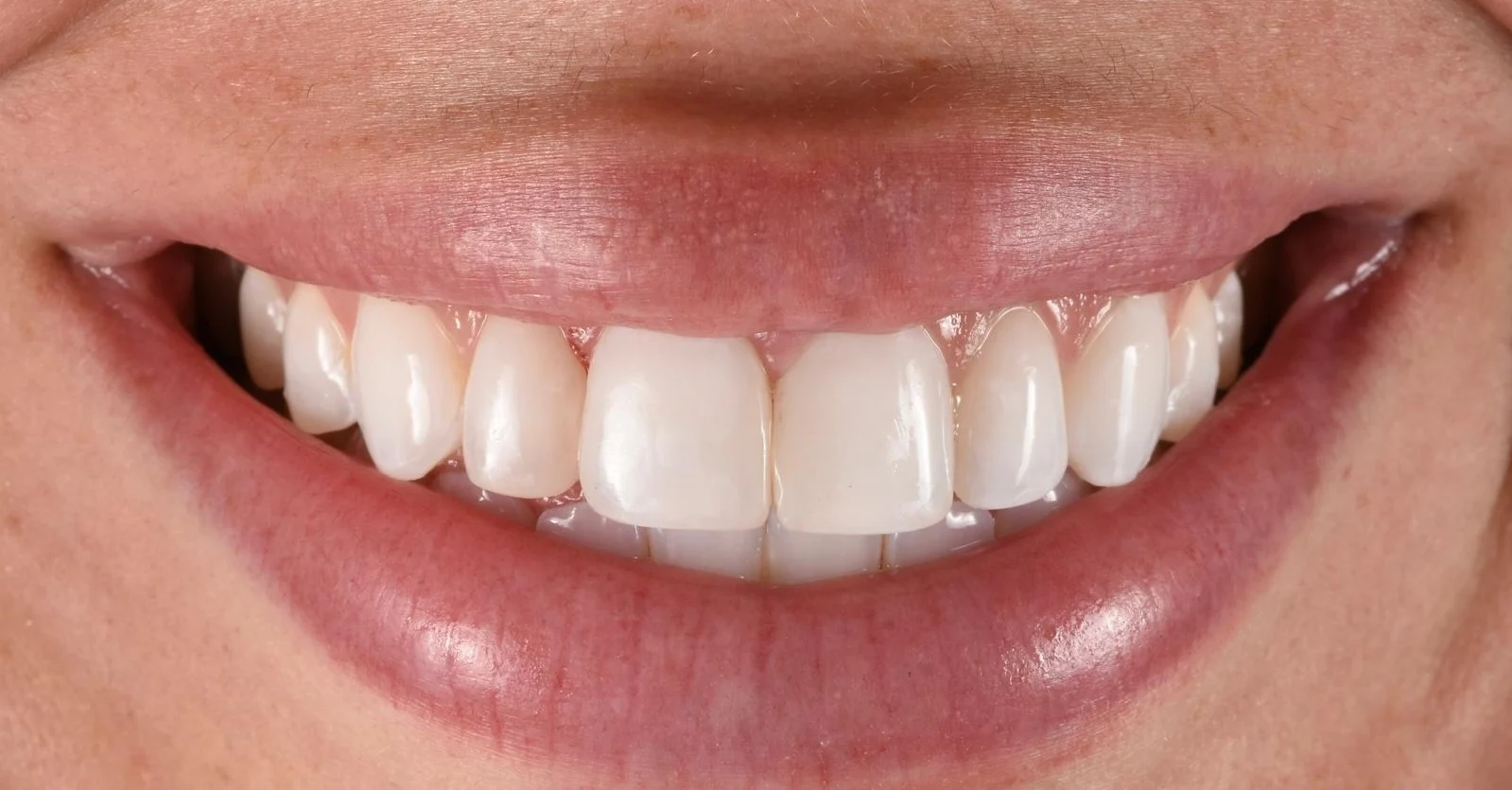
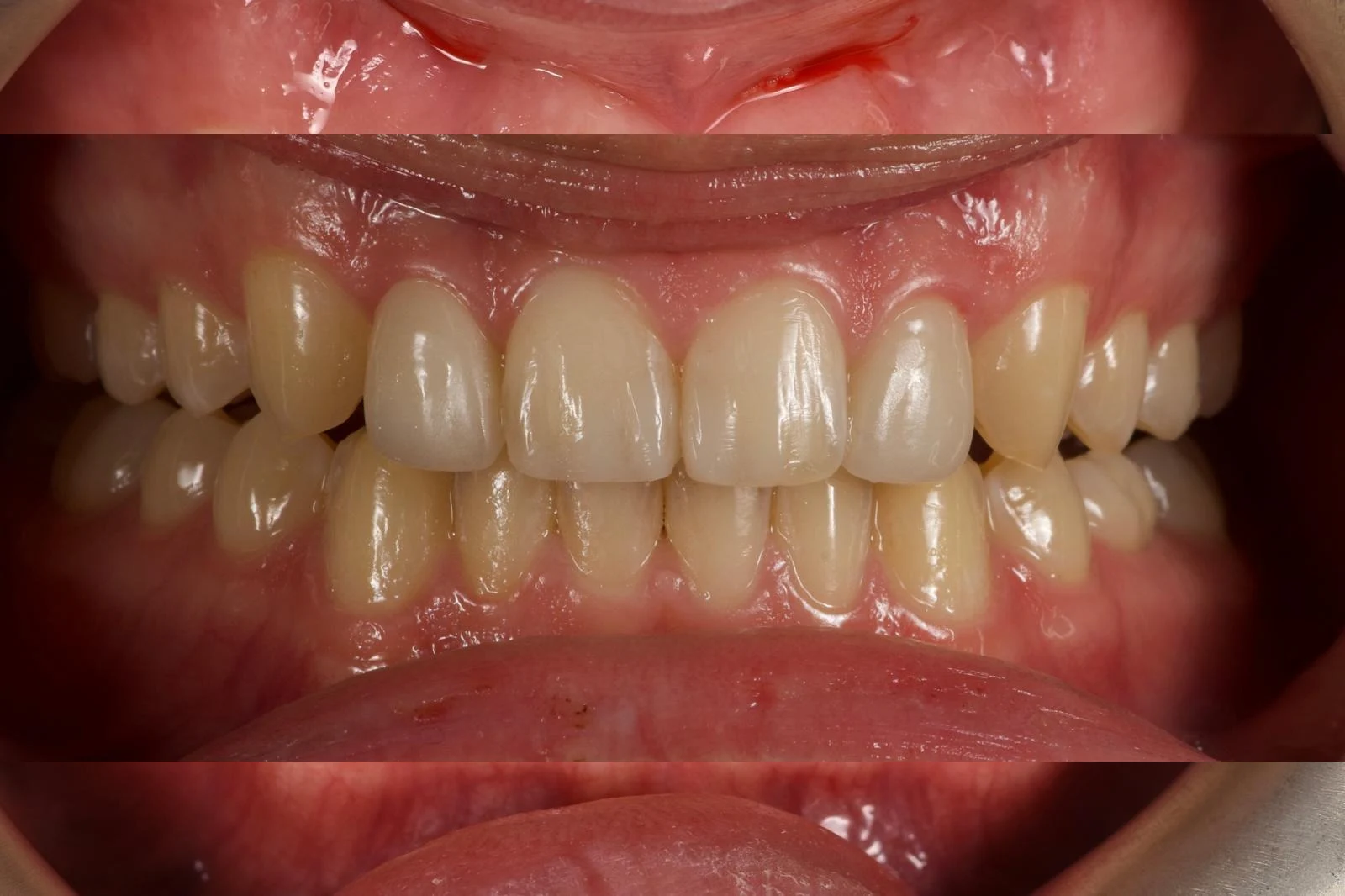
Before and after comparison of upper front teeth restorations showing improved whiteness and shape
Dental polishing brush applying finishing touches to bonded tooth restoration

Composite Bonding vs. Porcelain Veneers — An Honest Comparison


Composite Bonding

Minimal-Prep Veneers

Enamel removed?

minimal usually less than porcelain veneers

Minimal to none

Completed in

usually 1 to 2 visit

2–3 visits

Longevity

3-5 years (repairable)

10–20 years

Stain resistance

Moderate — surface can stain

High — porcelain resists stain

Repairability

yes- chips might be able to be repaired if they are minimal

Replacement required if damaged

Relative cost

$$

$$$$

Best for

Chips, gaps, minor shape correction

Broader colour, shape, or coverage needs

What to Expect: The Bonding Appointment

1. Consultation and Shade Matching — Dr. Toksoy evaluates your teeth, discusses your cosmetic goals, and selects the composite shade that best matches your surrounding teeth under natural light. 

2. Surface Preparation — The tooth surface is gently conditioned with a mild etching solution to improve adhesion. No drilling or enamel removal is involved. 

3. Composite Application — The resin is applied in layers, sculpted by hand to the desired shape, and hardened with a curing light after each layer. 

4. Shaping and Contouring — Once the composite is cured, the shape is refined using fine burs and polishing instruments to achieve the correct surface texture and contour. 

5. Bite Check and Adjustment — Bite paper is used to confirm the new material sits correctly in your bite. Any high spots are adjusted before you leave. 

6. Polish and Review — Final polish brings the surface to a natural lustre. You will review the result before the appointment ends. Most bonding procedures are completed in 30–90 minutes per tooth, depending on complexity. No temporary restoration is needed. You leave with your final result the same day.

How Long Does Composite Bonding Last — and How to Care for It

With proper care, composite bonding typically lasts 5 to 10 years. Longevity depends primarily on bite habits, diet, and whether you grind at night. Unlike porcelain, composite can be repaired rather than replaced if a chip or stain develops — this is one of bonding’s most practical advantages. Care recommendations:

  • Brush twice daily with a soft brush and non-abrasive toothpaste
  • Avoid biting hard objects directly — ice, pen caps, fingernails, hard sweets
  • Limit high-staining foods and drinks (coffee, red wine, tomato-based sauces) particularly in the first 48 hours after bonding
  • If you grind at night, wear a nightguard — grinding is the primary cause of composite fracture and wear
  • Attend regular professional cleanings — your hygienist will polish the composite surface and check the margins at each visit Minor chips or staining on bonded teeth can usually be repaired chairside in a single short appointment — without replacing the entire bonding.
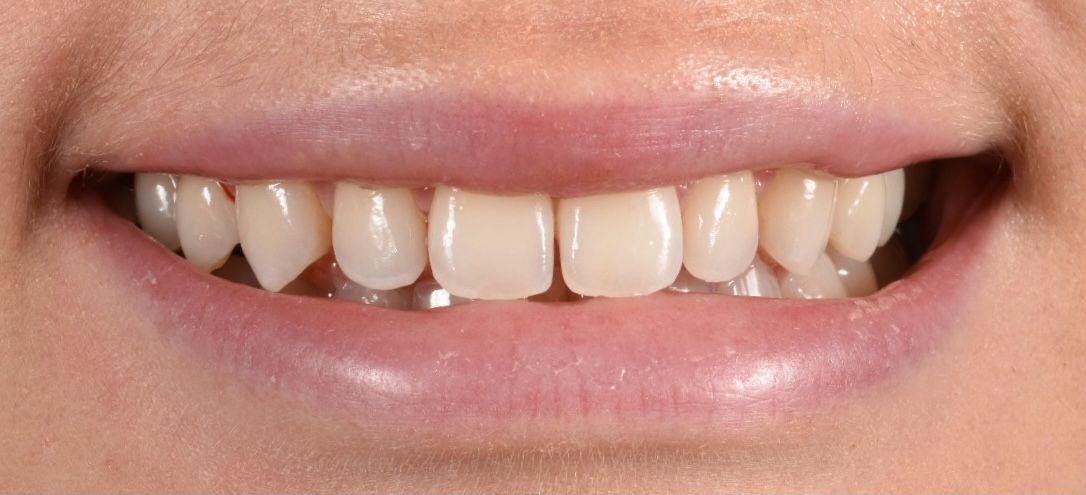
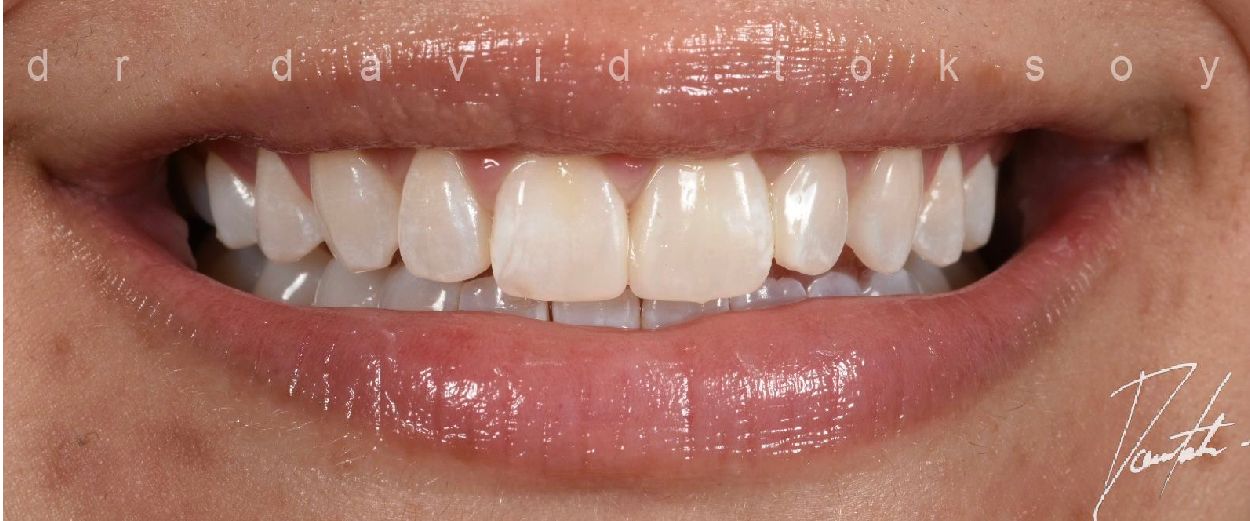
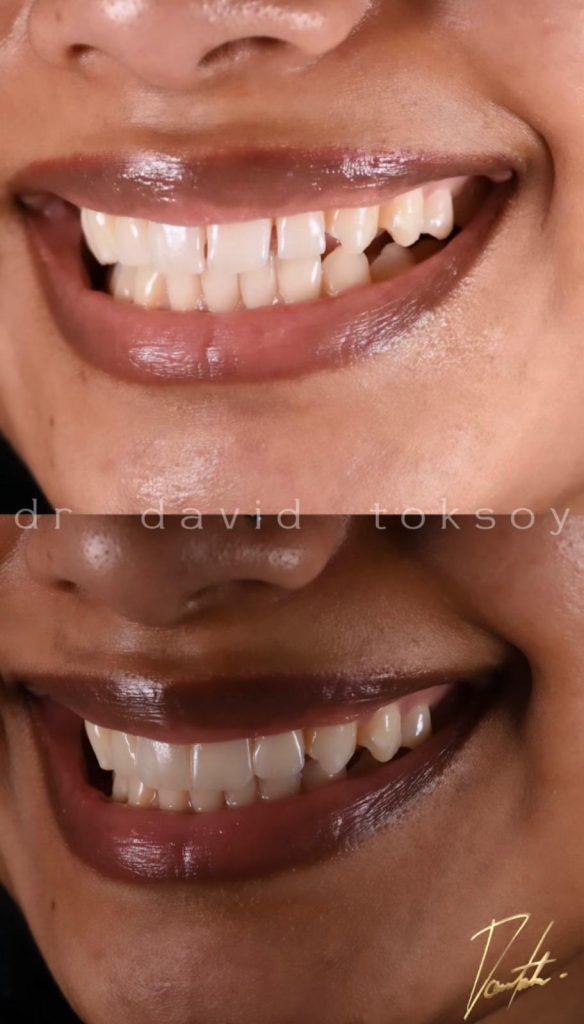
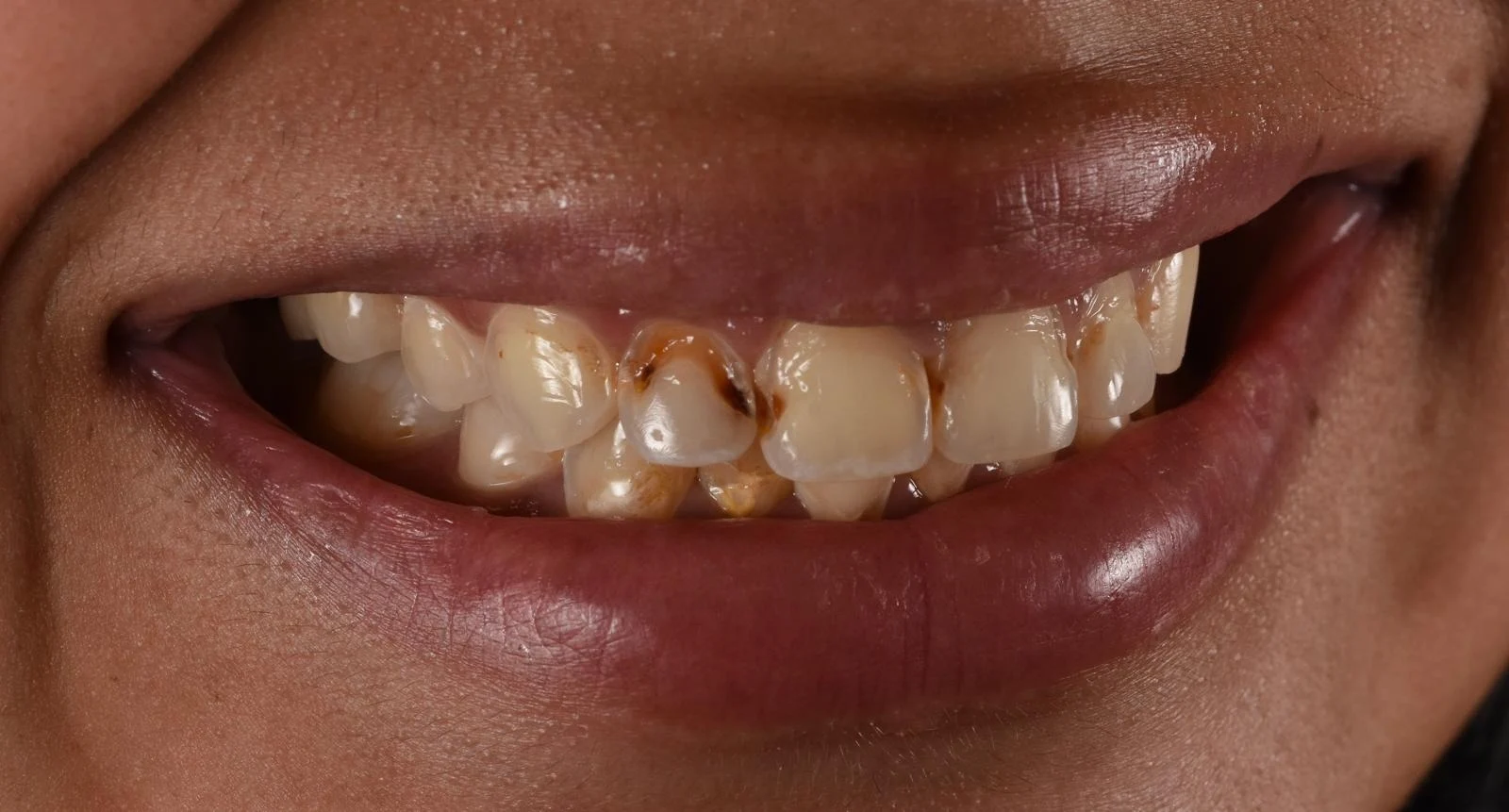
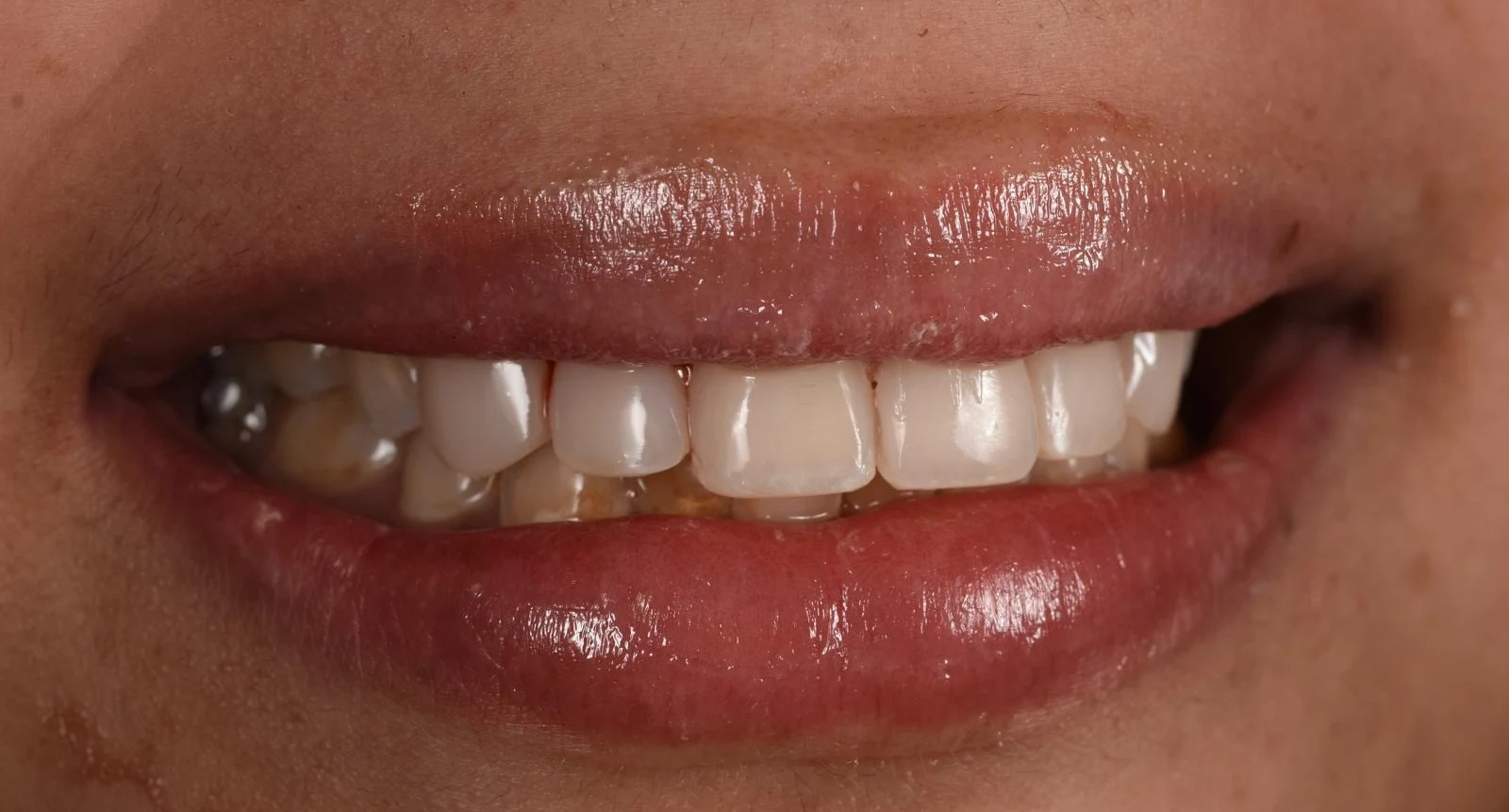
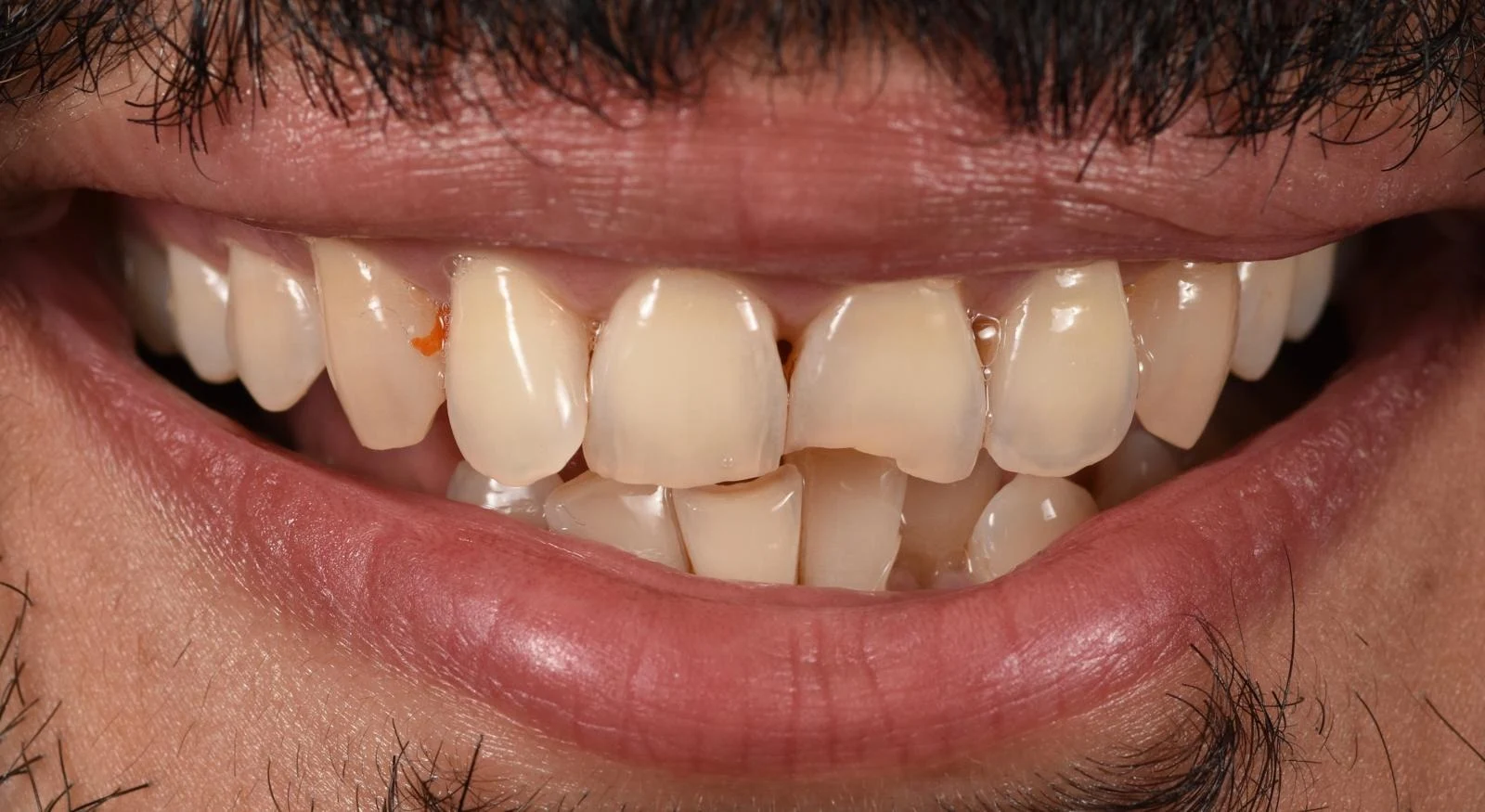
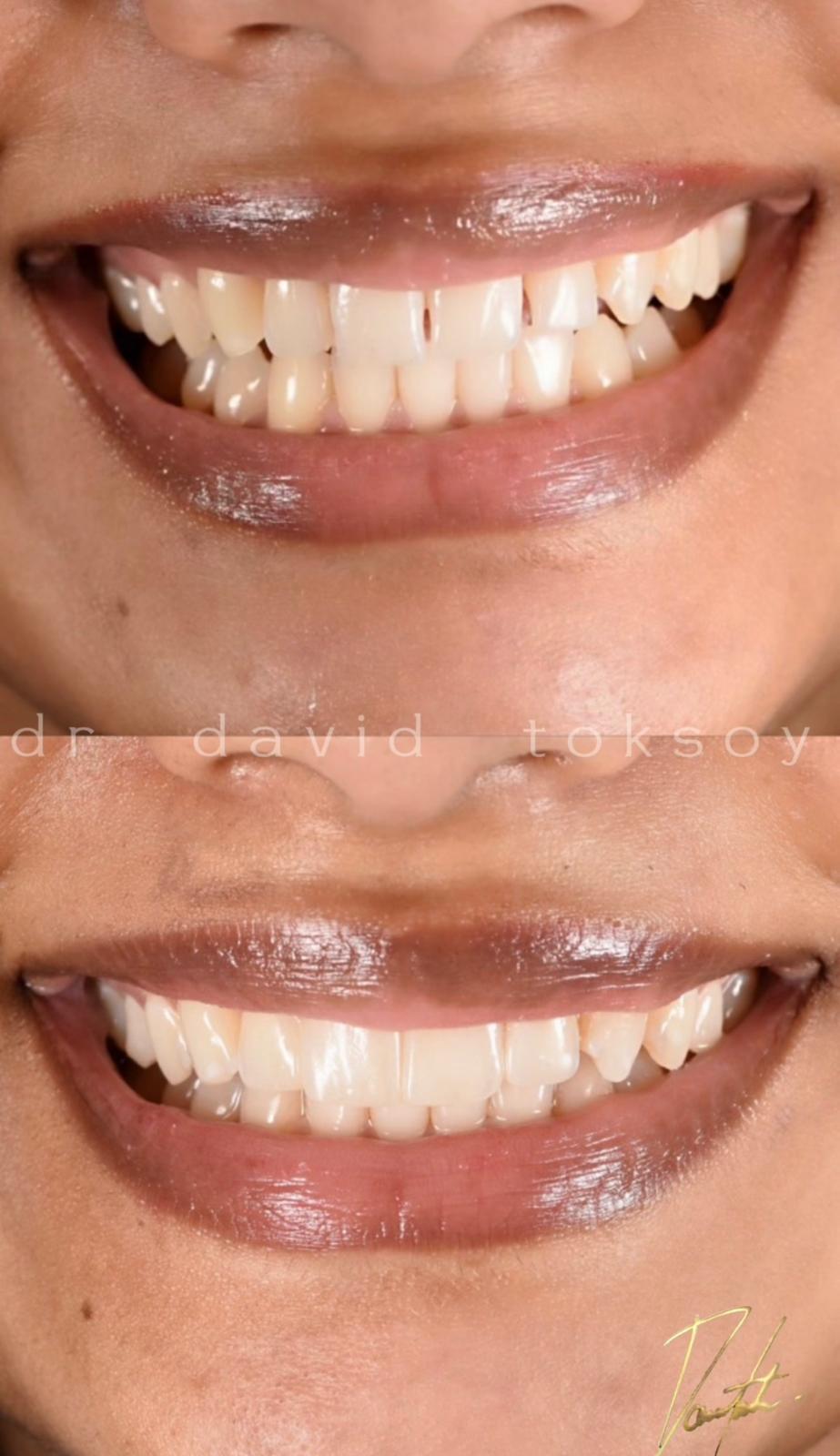
Close-up of two smiling mouths showing white teeth before and after dental treatment
Before and after comparison of upper front teeth restorations showing improved whiteness and shape
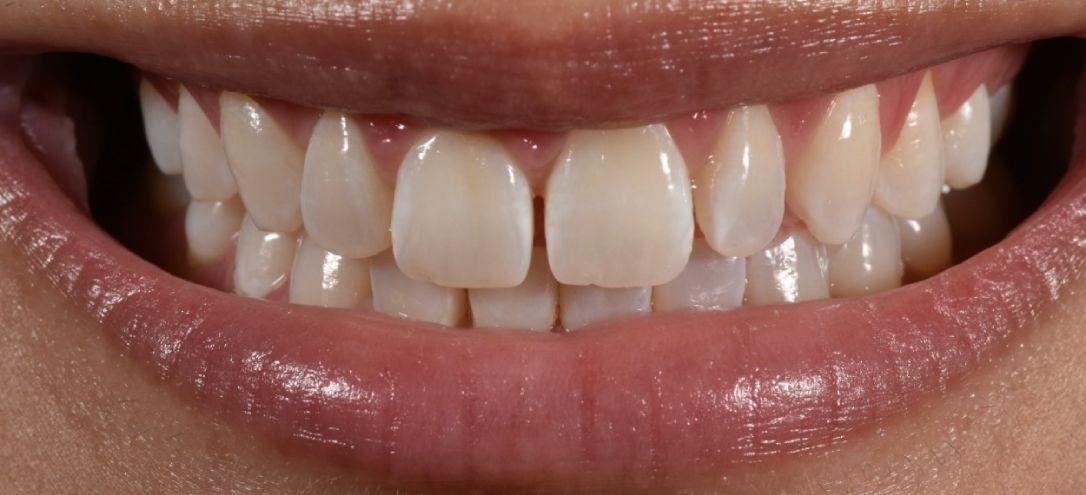
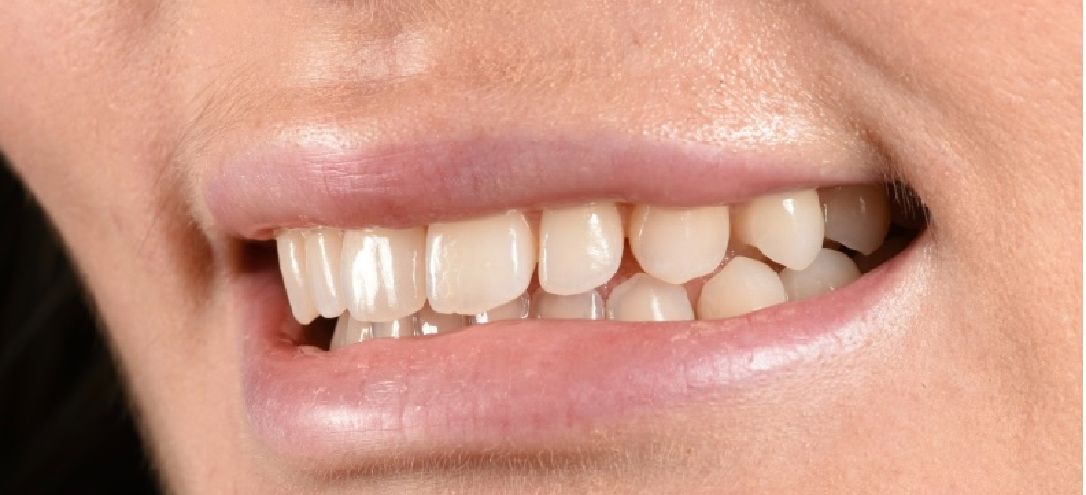
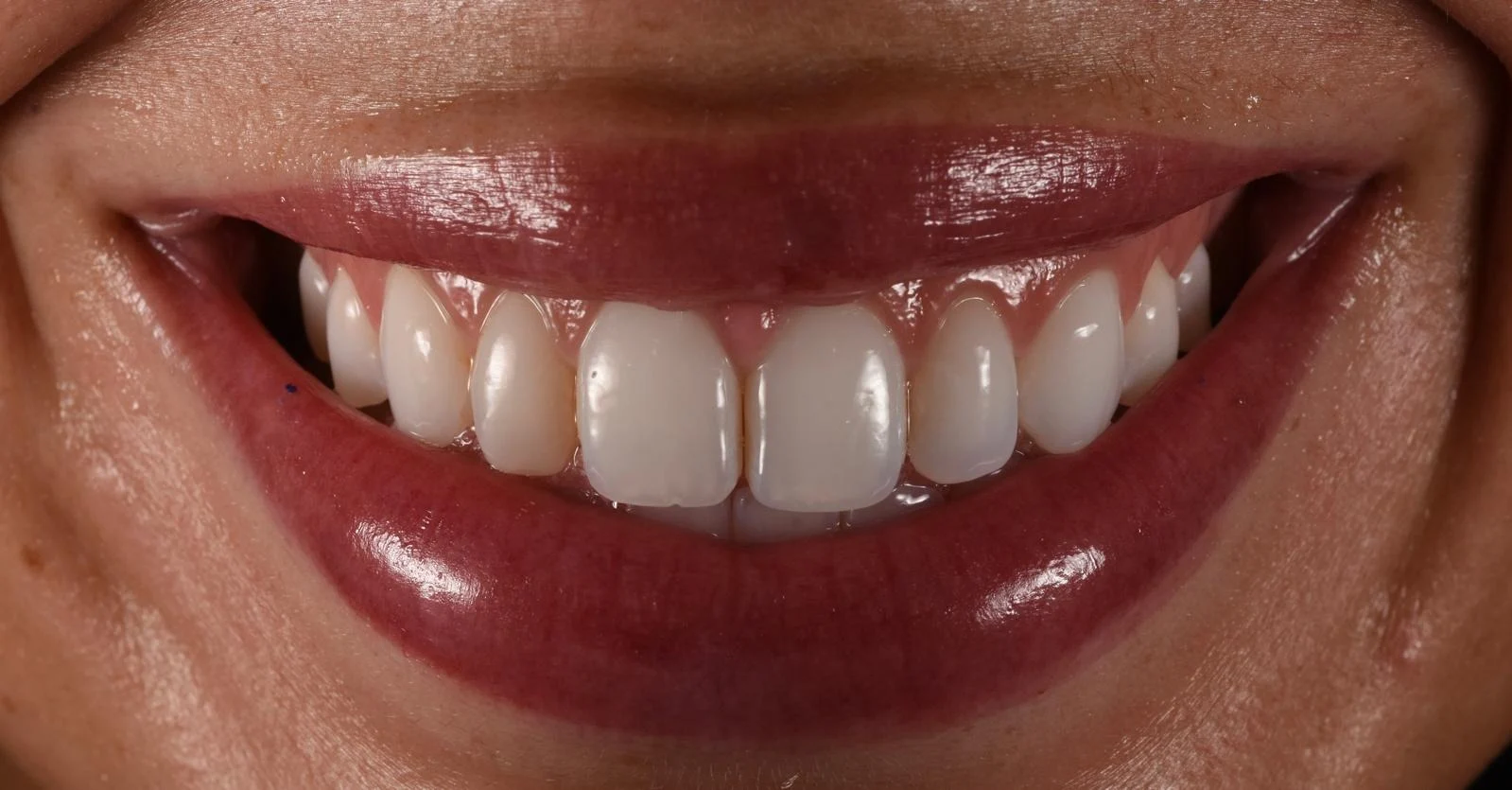
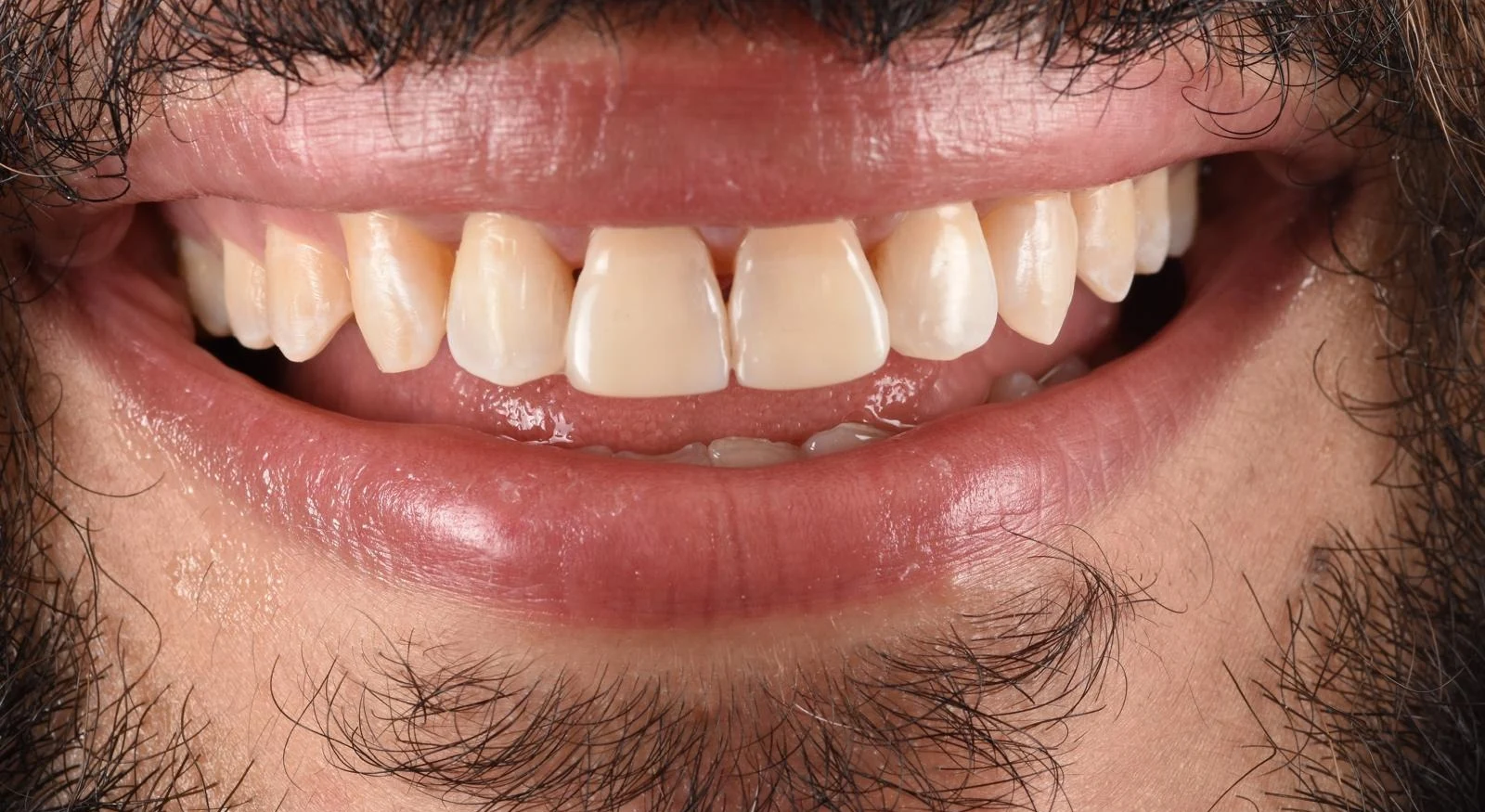
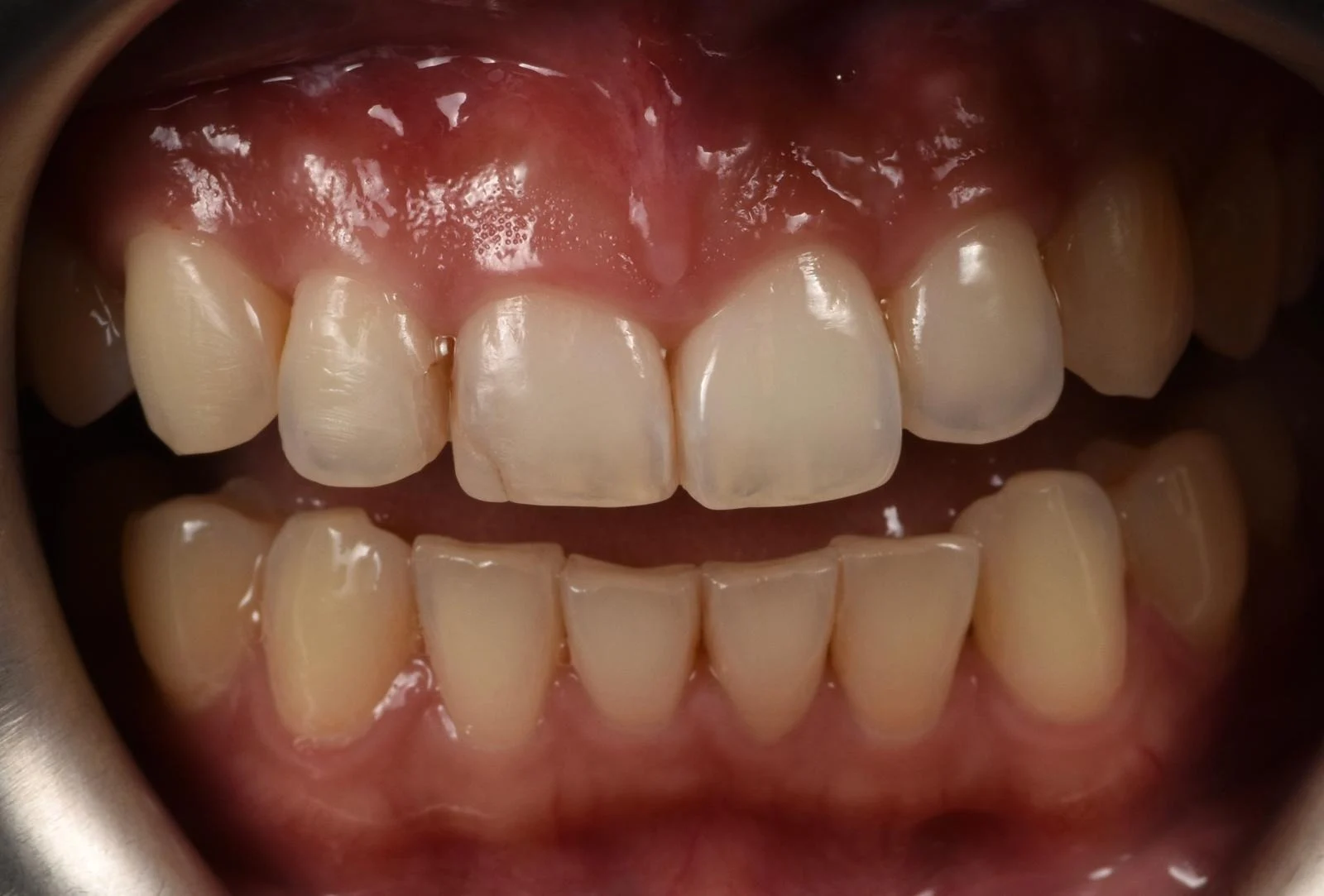
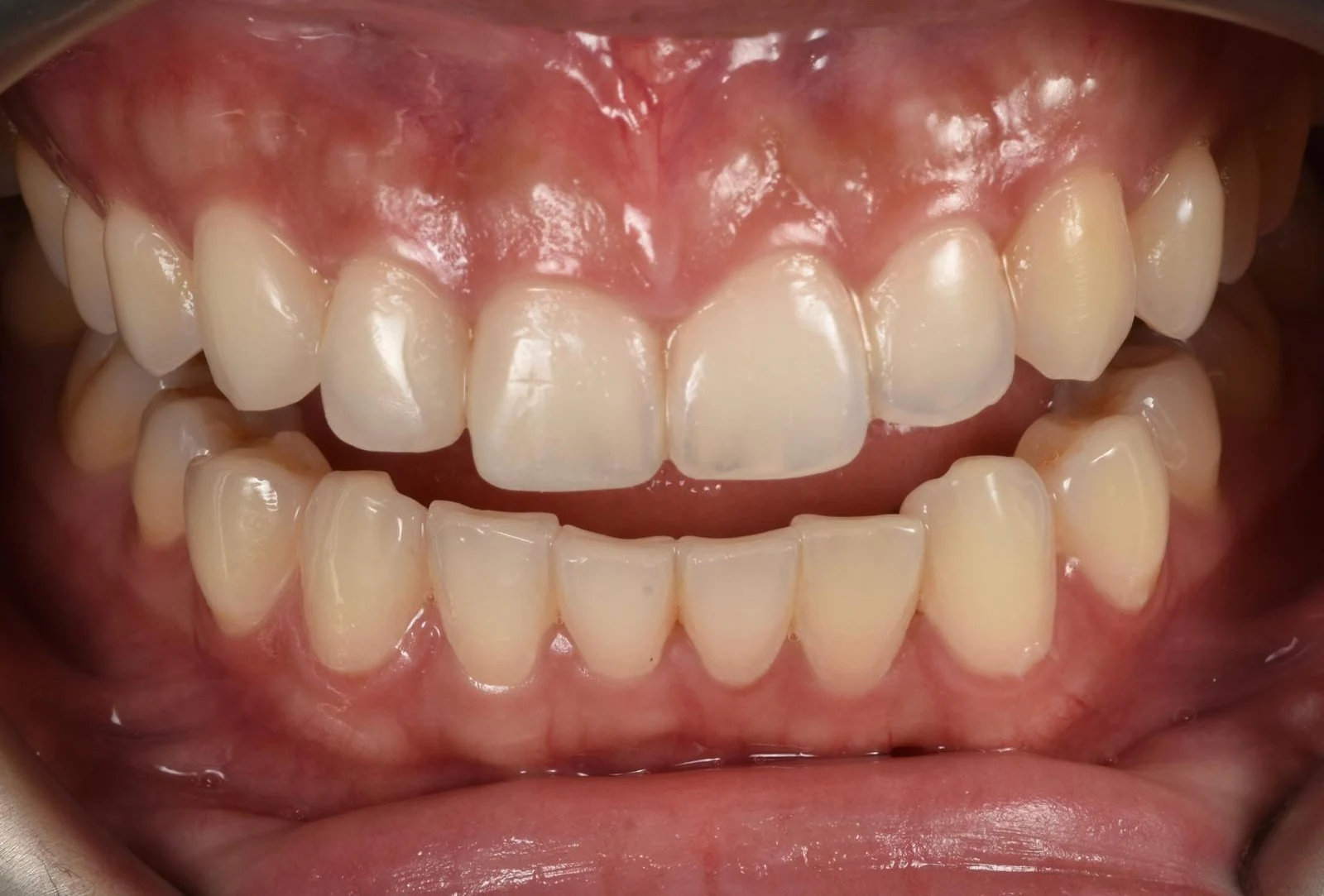
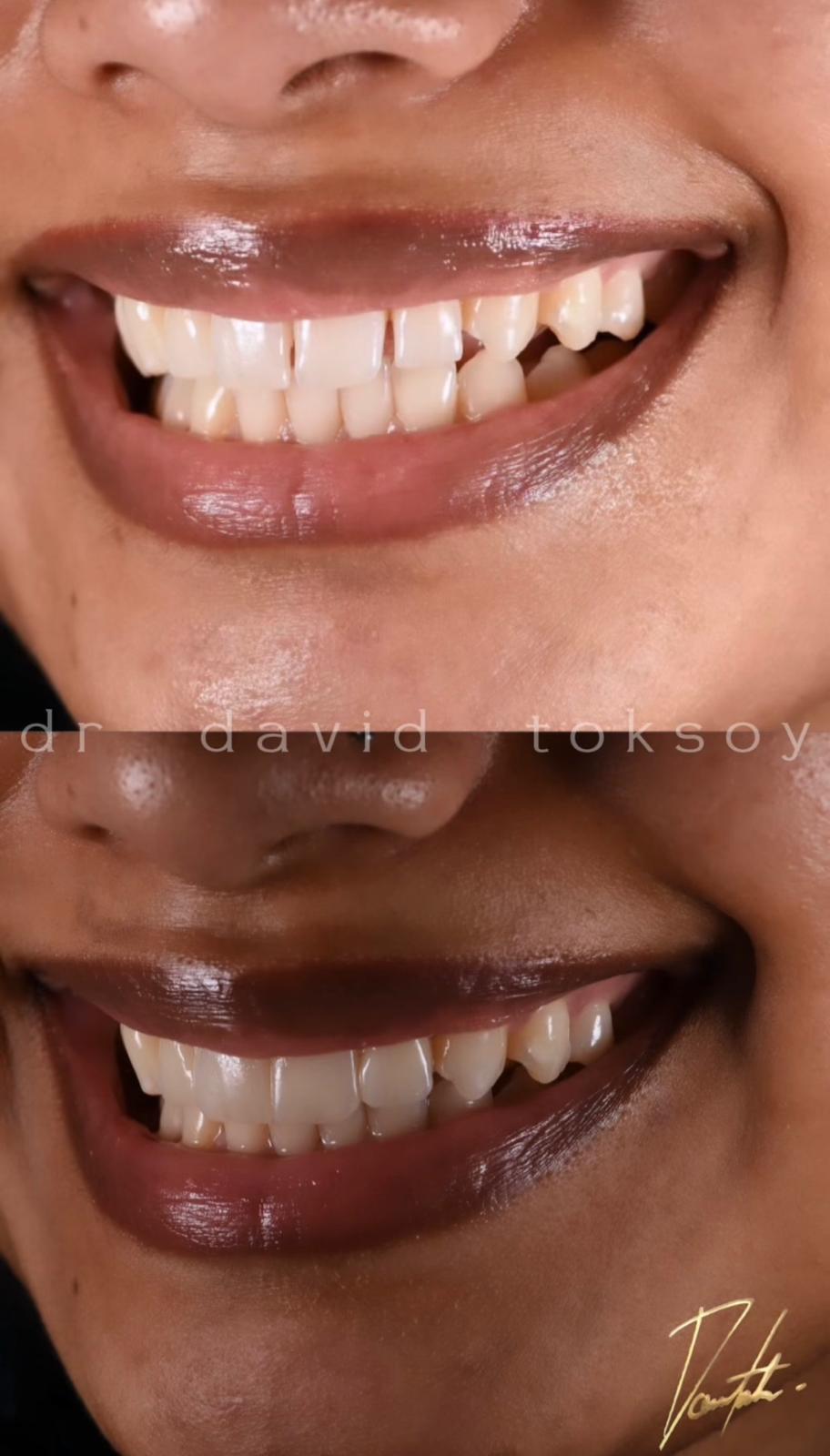
Two close-up views of smiling mouth showing teeth alignment improvement from treatment
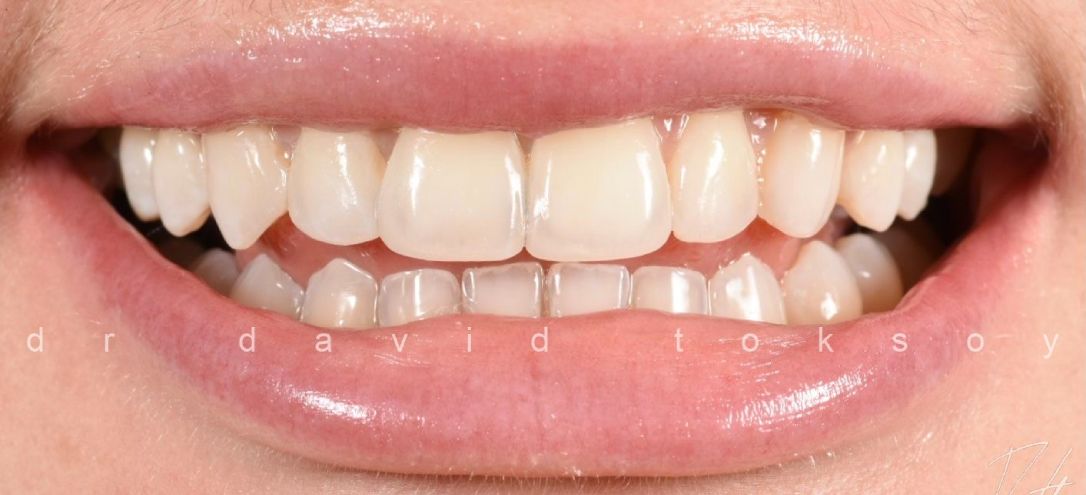
Close-up of two smiling mouths showing white teeth before and after dental treatment
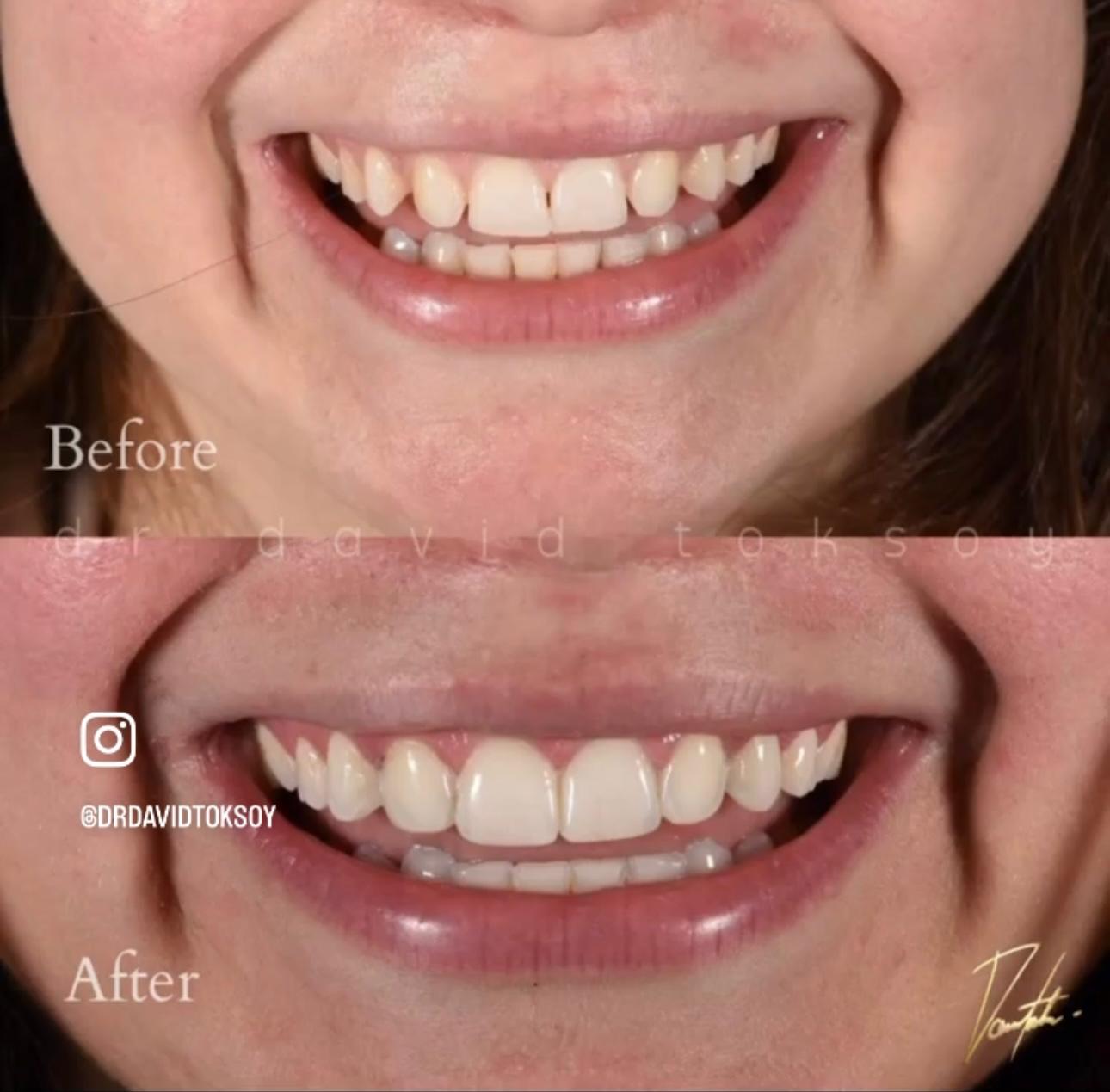
Before-and-after comparison of smile with improved tooth alignment and whiteness

What Does Dental Bonding Cost in Manhattan?

Composite bonding cost depends on the number of teeth, the extent of work per tooth, and whether any
preparatory treatment is needed. A personalised estimate is provided at consultation after Dr. Toksoy has
evaluated your case.

Factors that influence cost:

  • Number of teeth being bonded
  • Complexity of the shape correction or gap closure
  • Whether a bite evaluation or nightguard is required
  • Whether pre-treatment (whitening, alignment) is recommended first Composite bonding is generally significantly less expensive than porcelain veneers, and for the right cosmetic concern it delivers a comparable aesthetic result.


Membership plans at Studio Dental NY can reduce the cost of cosmetic consultations and ongoing care. Financing options are available.

Dental Bonding — Frequently Asked Questions

A: Dental bonding is a cosmetic procedure in which tooth-coloured composite resin is applied directly to the tooth surface removing the least amount of enamel. The resin is sculpted by hand, hardened with a curing light, and polished to a natural finish. 

A: Yes. Because minimal enamel is removed, Dental bonding is one of the most conservative cosmetic procedures available. 

A: With proper care, composite bonding typically lasts 3 to 5 years. Longevity depends on bite habits, oral hygiene, and lifestyle factors such as grinding or staining foods. Minor chips can be repaired without replacing the entire bonding — an advantage over porcelain.

A: Yes. Composite resin can be used to widen one or both teeth adjacent to a gap, effectively closing small to moderate spacing. Larger gaps caused by bite misalignment are better addressed with Invisalign.

A: Not universally — each has its place. Bonding is more conservative, reversible, repairable, and significantly less expensive. Veneers are more durable, more stain-resistant, and better suited to broader cosmetic goals. At Studio Dental NY, bonding is recommended first when it can achieve a clinically equivalent result.
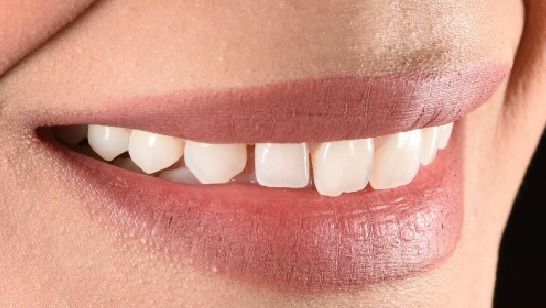
A: In most cases, no. Typically there is no pain during or after procedure except minor gum sensitivity for couple days after the procedure.

A: Brush with a soft brush and non-abrasive toothpaste, avoid biting hard objects, limit staining foods particularly in the first 48 hours, and attend regular professional cleanings. If you grind at night, a nightguard is strongly recommended to protect the composite.

A: Yes — chipped front teeth are one of the most common and successful applications for composite bonding. The resin is matched to the existing tooth shade, shaped to restore the original contour, and polished to blend seamlessly. Most chip repairs are completed in one or two appointments.

Fix a Chip, Close a Gap, Refine Your Smile — Today

Composite bonding at Studio Dental NY is a single appointment. No temporaries. No waiting for a laboratory. No enamel removed. Dr. Toksoy will evaluate your teeth, discuss your goals honestly, and give you a clear picture of what bonding can — and cannot — achieve for your case. The practice is at 81 Irving Place, Suite 1D, Gramercy Park, Manhattan. Call 212.260.2652 or book online to arrange your consultation.

Dr. David Toksoy, DMD, smiling portrait in white blazer and dotted shirt

For More Information

CONTACT US

×