Home / Whitening/best dentist in NY
Over time, common foods and drinks such as berries, candies with dye, sauces, red wine, coffee, tea, and colas, to name a few, stain the
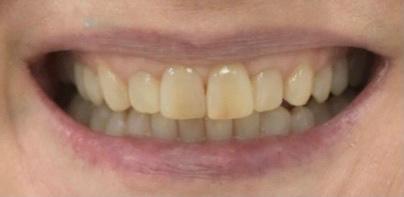
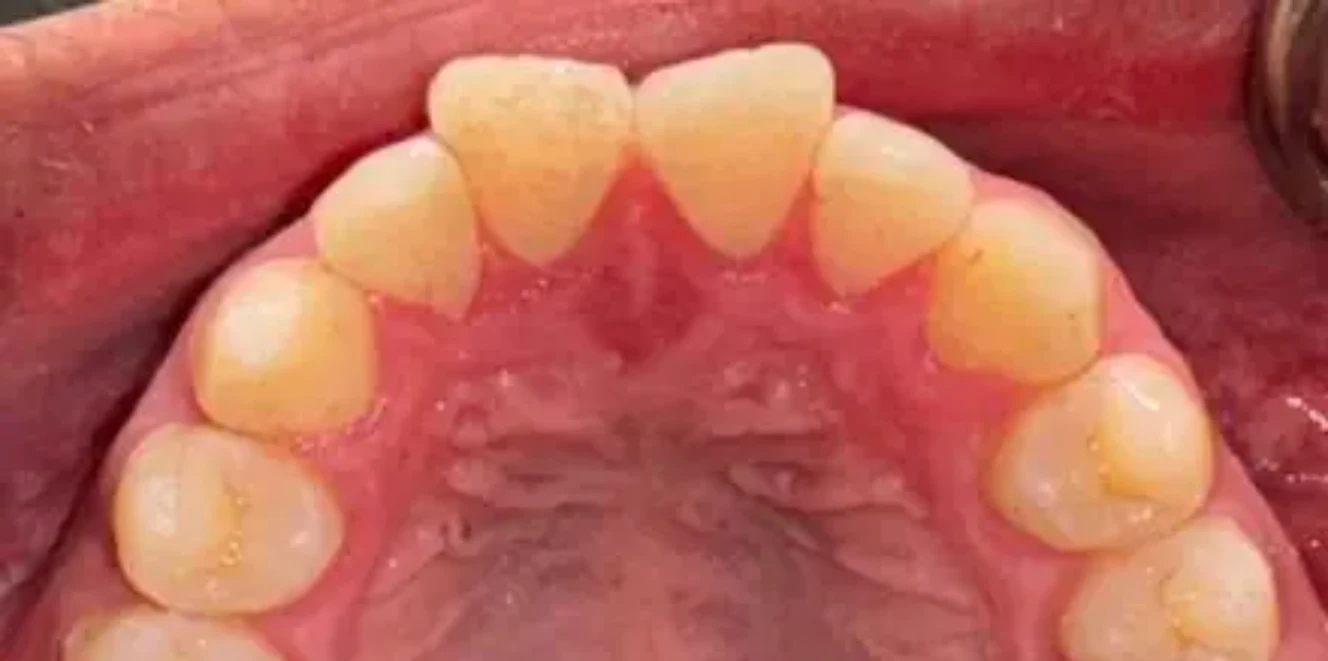
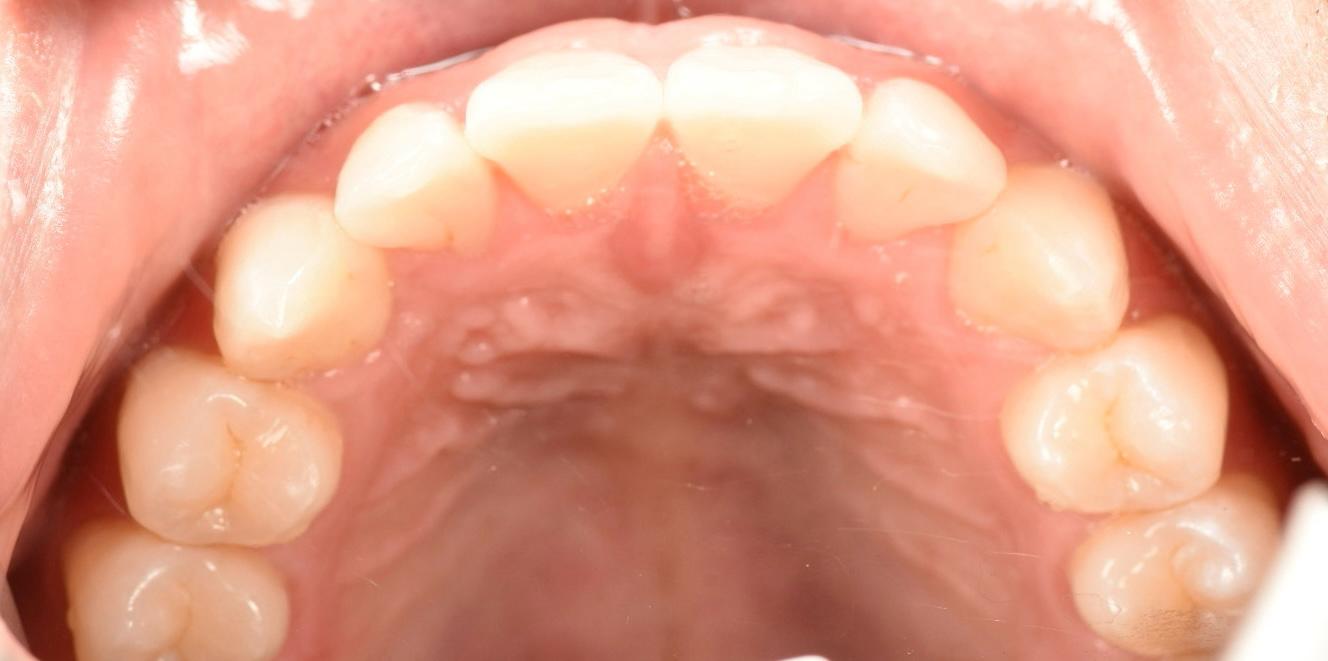
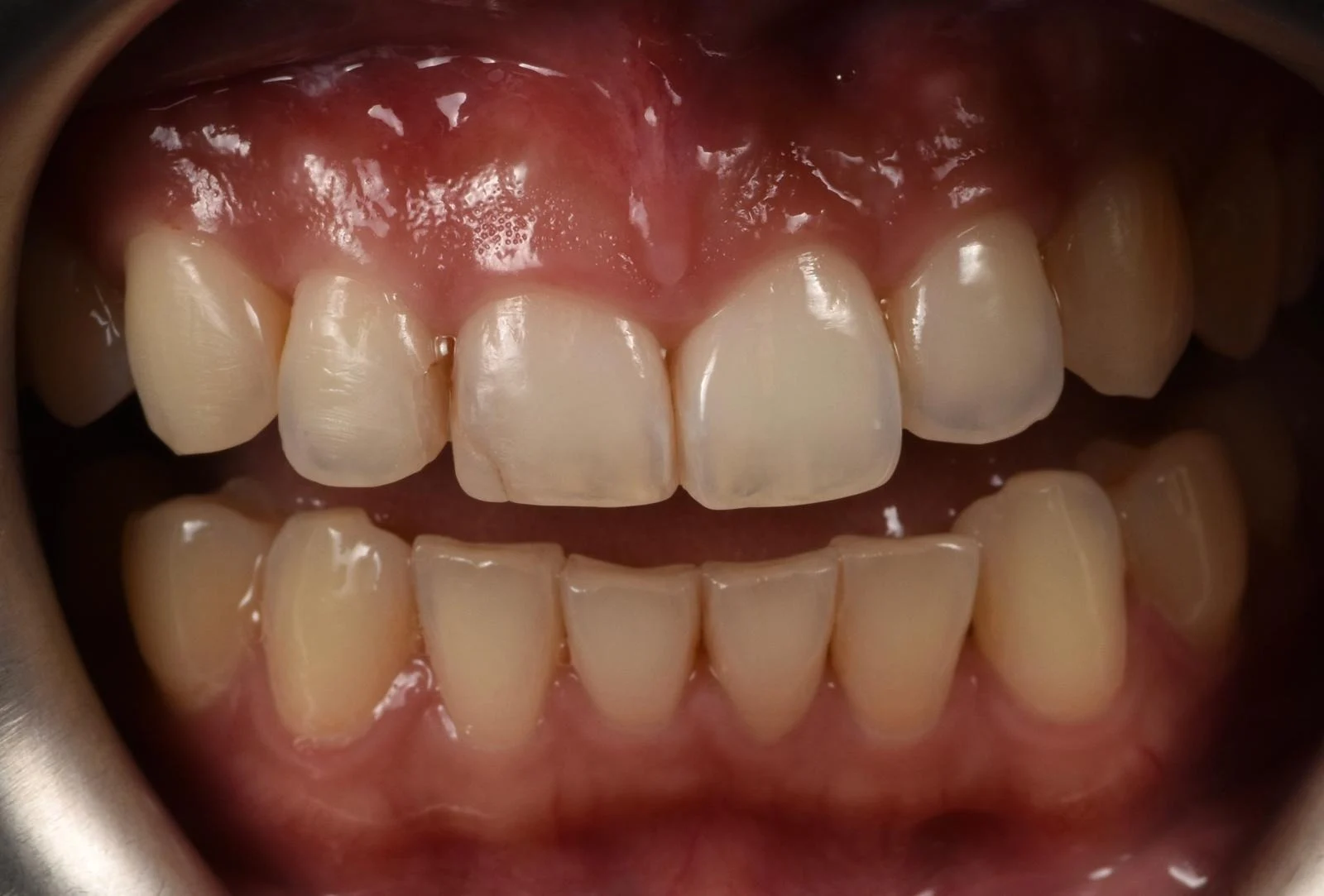
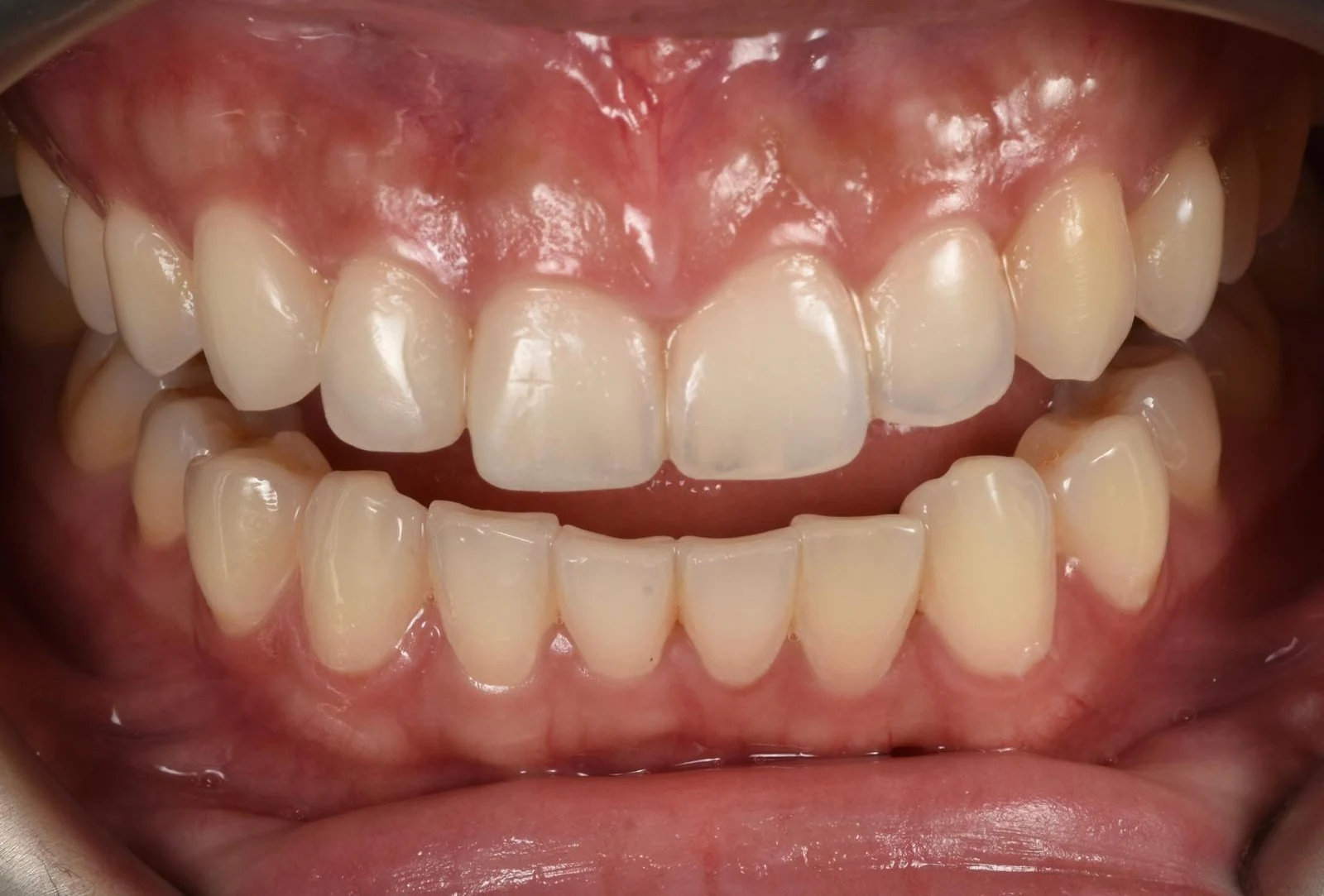
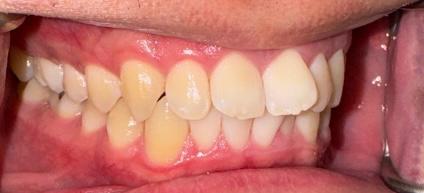
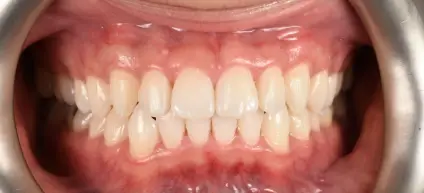
Crooked, discolored, and stained teeth can be a significant source of embarrassment as they affect one’s personality and facial esthetics. If you have tobacco, coffee, or wine stains on your teeth that affect your smile and make you feel self-conscious, the answer to your esthetic problems lies in professional teeth whitening. But what is teeth whitening, and how can it help me achieve a pearly white smile? You may ask! This blog will answer all your teeth-whitening-related questions. So, read on to find out more.
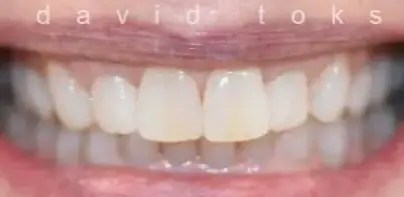
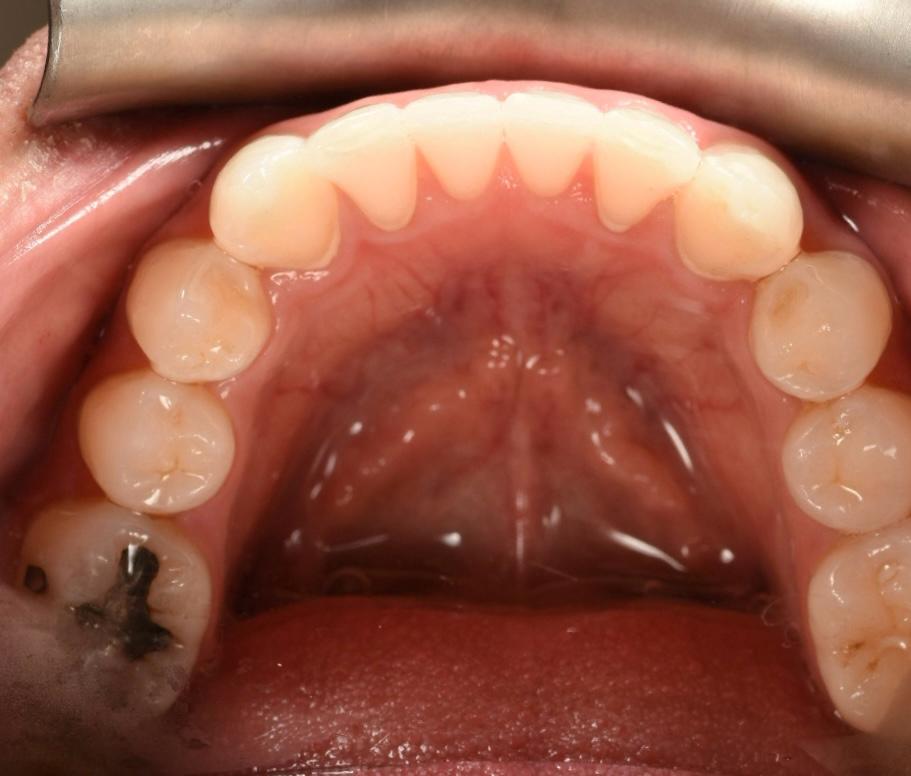
According to the American Dental Association 1, teeth whitening is a procedure in which your cosmetic dentist in NY will use a potent but safe bleaching agent to chemically remove teeth stains, giving you a sparkling white smile. Teeth whitening is a commonly performed cosmetic dental procedure worldwide. In addition, an American Academy of Cosmetic Dentistry 2 survey showed that the most common feature people wanted to change about their faces was whiter teeth.
You are a candidate for getting your teeth whitened professionally if you have stains on your teeth. Some of the cases where teeth whitening is beneficial are:
e teeth. These types of stains can’t be removed effectively with typical whitening toothpaste. Zoom! Teeth Whitening is a relatively simple in-office procedure that can effectively restore the teeth to their natural white color by removing surface stains.
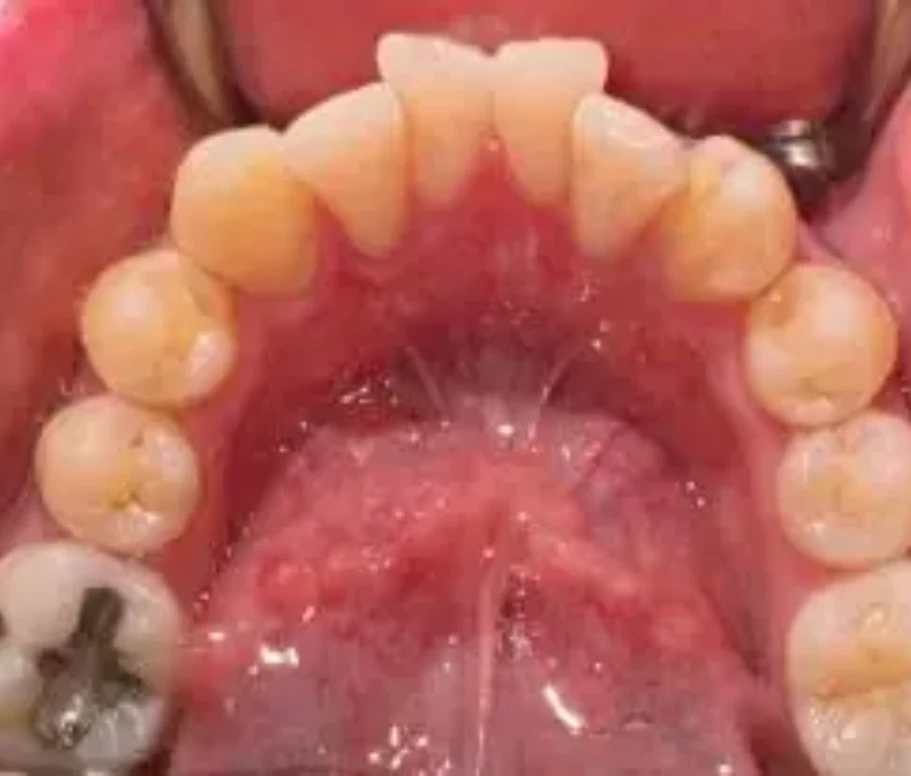
Teeth stains are of two types: extrinsic and intrinsic. Extrinsic stains form on the outer enamel covering of the teeth, such as those caused by coffee, tea, or tobacco. On the other hand, intrinsic teeth stains develop inside the teeth. Examples of intrinsic teeth stains include those caused due to internal tooth bleeding/trauma or stains due to tetracycline administration during tooth development.
The method for teeth whitening differs according to the type of tooth staining.
This is the most common type of teeth whitening performed by dentists.
The external teeth whitening procedure lasts for about 60 minutes. You will see a noticeable reduction in the shade and color of your teeth. However, multiple teeth whitening sittings may be needed for individuals with heavy teeth stains.
This is a special type of teeth whitening in which your dentist will remove stains from the tooth’s interior. The procedure is virtually the same as external whitening. However, your dentist will create a hole in the tooth to gain access to the tooth’s interior and then apply the bleaching directly inside to remove the stains. It must be remembered that some internal tooth stains like those caused by tetracycline are very difficult to remove. In such cases, your dentist will treat the problem cosmetically by masking the stains with porcelain veneers or crowns.
While teeth whitening is very effective on natural teeth, it is ineffective on dental restorations such as white fillings, porcelain crowns, and veneers. The reason is that the surface of these restorations differs from natural teeth, and the bleaching agent does not work on them. So, in case one has teeth stains on their crowns or veneers, your dentist will replace them with fresh ones after bleaching the natural ones so that all your teeth have the same color and shade.
Teeth whitening is completely safe, provided by an experienced and qualified dentist. While it may be possible for one to experience transient tooth sensitivity, there are no long-term side effects of professional teeth bleaching. However, the American Dental Association warns against the overuse of teeth whitening as it can lead to significant enamel damage, making the teeth permanently sensitive and more prone to fracture or tooth decay.
The most critical factor in tooth staining is plaque and tartar formation which encourages stain formation. So, the best way to avoid tooth staining or prolong the esthetic results of whitening is to ensure optimal dental health through regular brushing and flossing. Furthermore, teeth whitening should not be considered a substitute for regular oral hygiene and should be utilized judiciously.
You will find numerous at-home whitening products, such as whitening formulas, toothpaste, gums, and even strips, at your local market. However, these at-home options are not as effective as professional whitening. This is because dentists use a safe and potent formula that effectively removes tooth stains. Furthermore, some domestic whitening formulas contain very high potency bleaching agents that can cause long-term complications like sensitivity and increased risk of tooth decay.
References: